
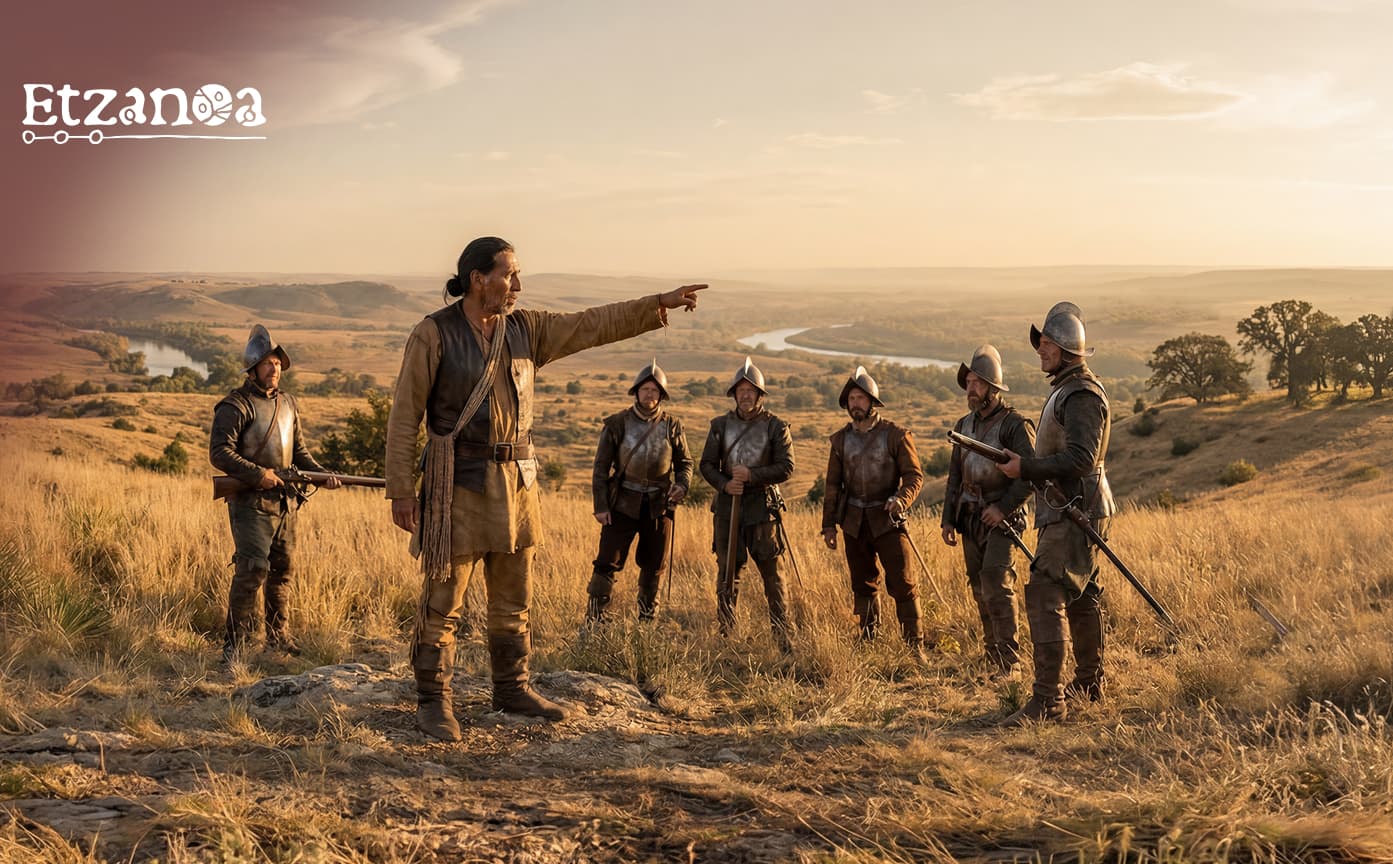




At Groove Jones, we’re always exploring how emerging technologies can unlock new forms of storytelling. For Etzanoa, an immersive historical VR experience for Meta Quest 3, we combined generative AI workflows, ComfyUI, and Gaussian Splats to recreate one of the largest Native American settlements ever encountered by early Spanish explorers.
The goal wasn’t simply to generate pretty images. It was to build a believable, explorable historical world grounded in research, guided by subject matter experts, and optimized for standalone VR hardware.
Inspired by the structure and immersive storytelling techniques used across other Groove Jones XR experiences, the Etzanoa project explored a different challenge: how AI-assisted pipelines could accelerate accurate historical worldbuilding for immersive education and storytelling.
It all Begins with a Story
Rather than building a traditional game-like VR experience, Etzanoa was designed as a narrative-driven experience to tell the story of the Etzanoa settlement. The Groove Jones team worked with Meredith Mahoney, a representative for the College on the Etzanoa Conservancy Board of Directors, who was an essential partner in grounding the narrative and Georgia Zavala as a key member of the Etzanoa Conservancy to ensure the story and visuals were accurate. Georgia is a WSU grad in Anthropology and the Director of the Etzanoa Conservancy.
Given her research interests in applied ethics in cultural heritage preservation and management, Meredith guided the Groove Jones team on key story elements and historical accuracy. The narrative script, created by 25-year Groove Jones collaborator Bill Cochran, was developed from the Spanish point of view to ensure historical accuracy based on Spanish expedition records.
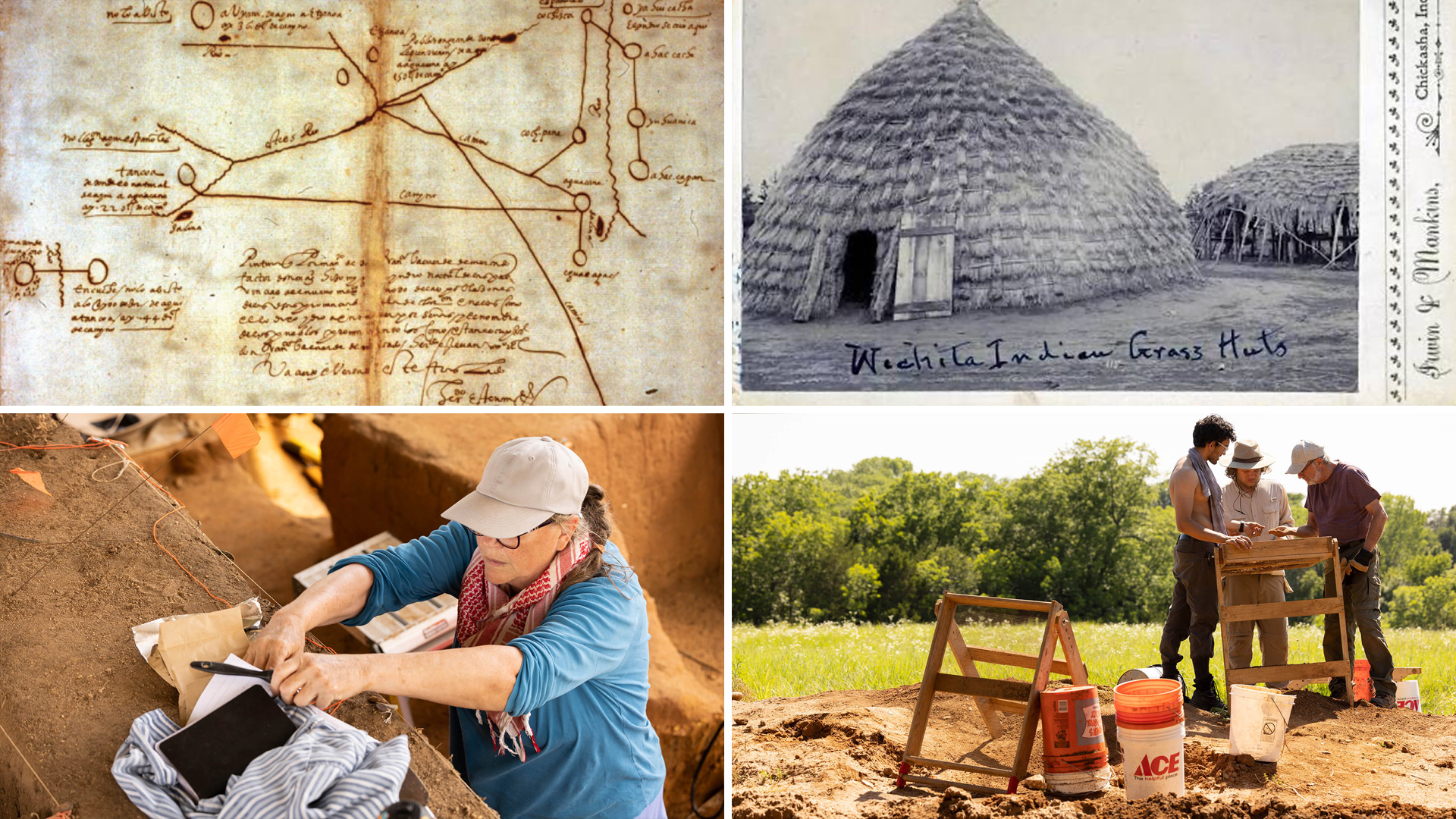
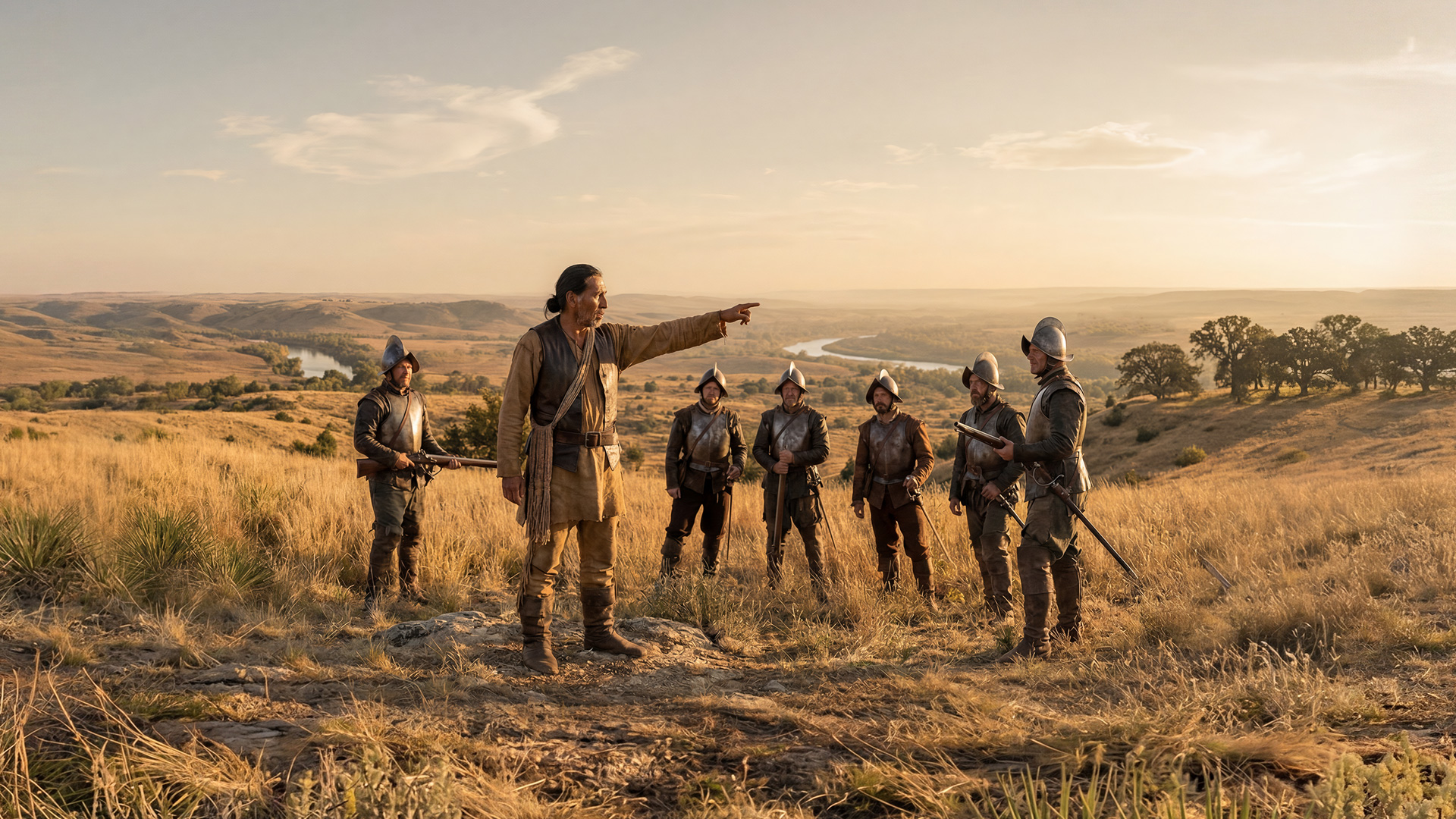
The VO narrative focuses on the 1601 expedition’s arrival, led by the survivor Jusepe, detailing key story beats such as the discovery of “The Great Settlement,” the initial interaction and eventual capture of chief Catarax, the mysterious vanishing of the twenty thousand inhabitants, and the ensuing skirmish with the Escanxaque allies. This perspective introduces key figures from the historical record, and Meredith reviewed and approved the final script. This initial perspective sets the foundation for a planned future version, which will pivot to develop the story from the Etzanoa point of view.
A Living Moment in Time
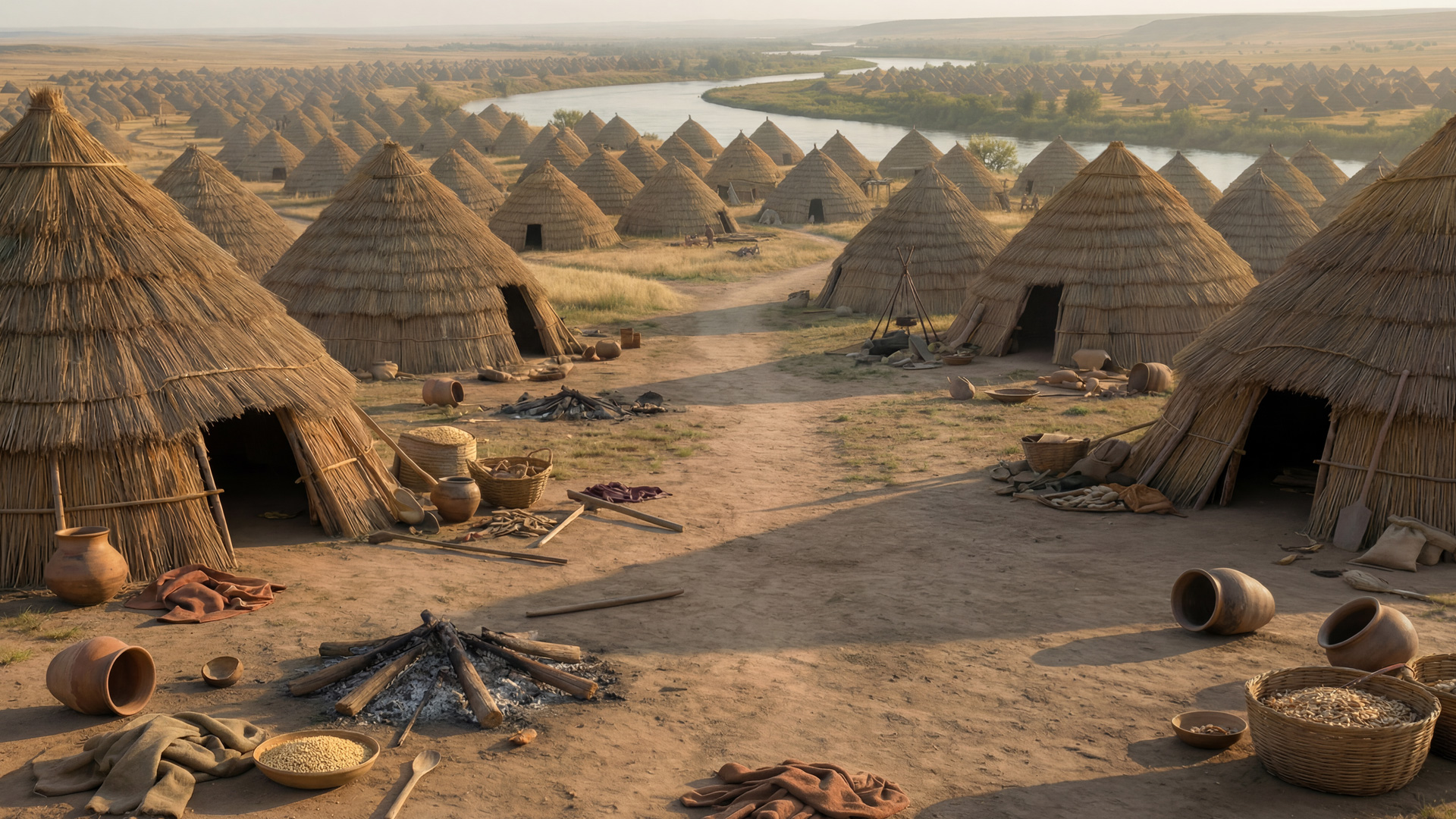
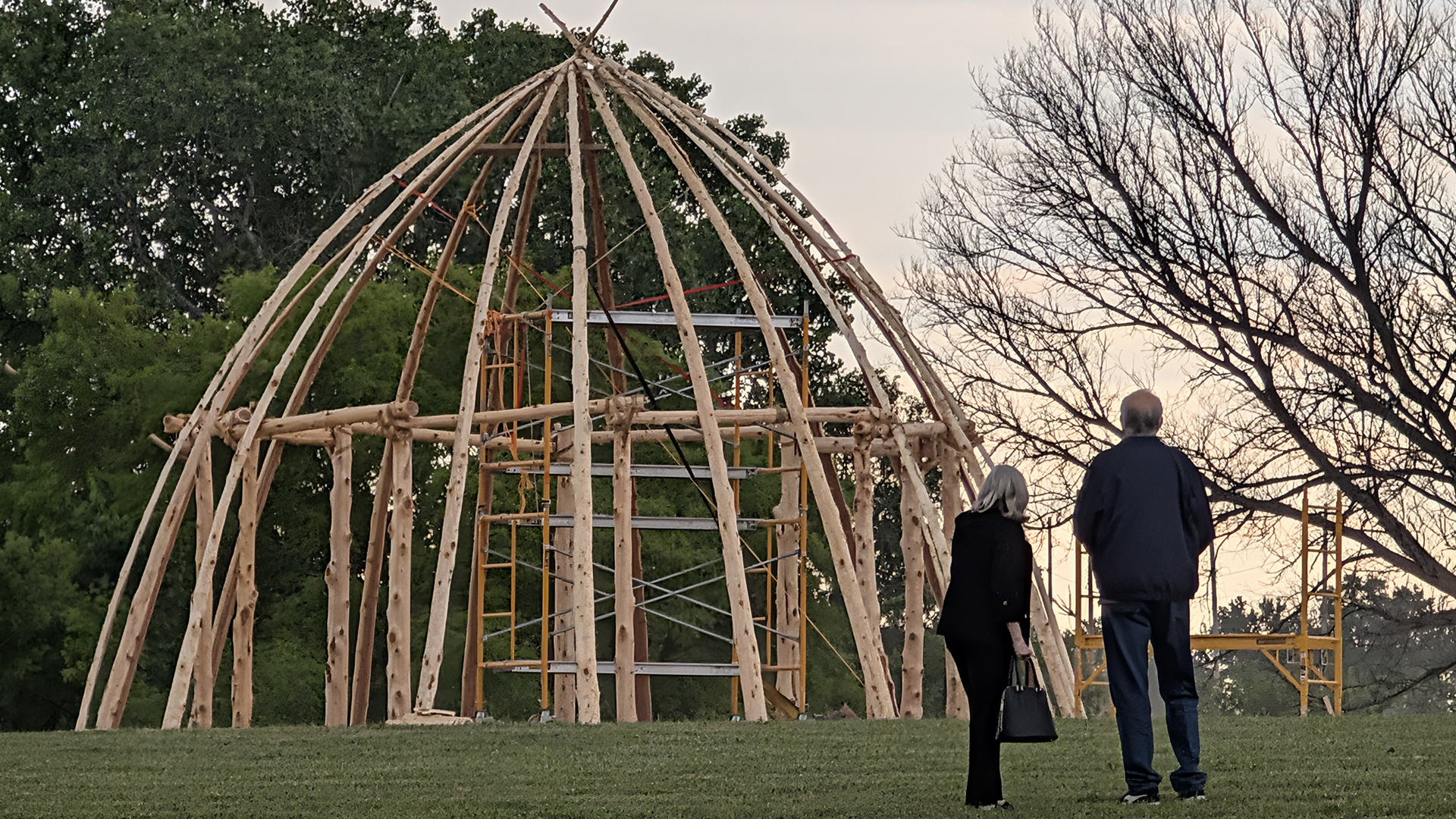
The experience begins with a sweeping aerial view of the land as it exists today before transitioning centuries into the past. The year is 1601, revealing the thriving settlement below. As visitors descend to ground level, they arrive just outside a grass lodge at the edge of the village. What they encounter is a single panoramic moment frozen in time, enveloping them with music and the sounds of the settlement.
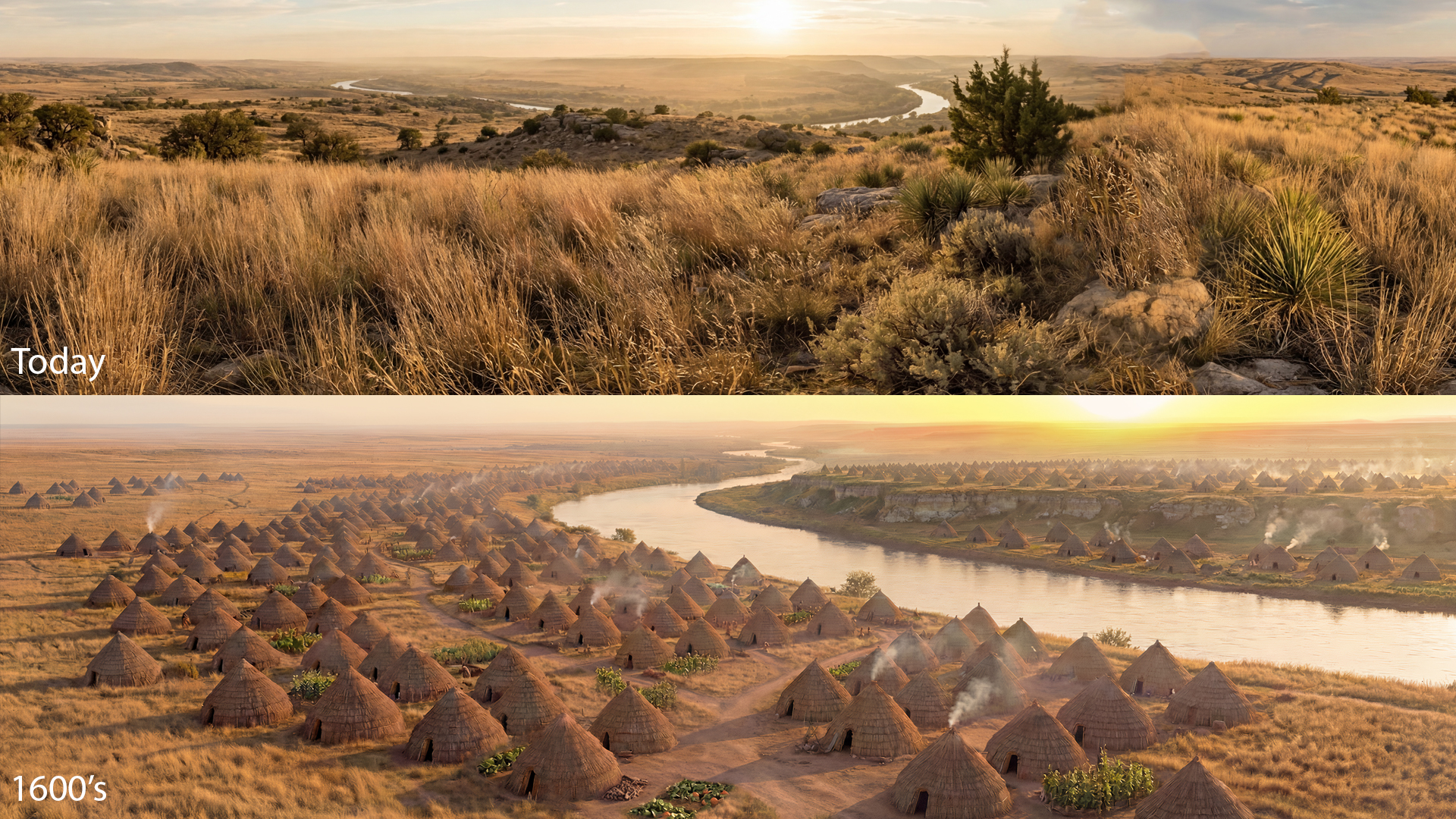
Around them, life is paused mid-action: a figure tending a fire, a child preparing to walk toward the river, a dog frozen mid-step. While the people remain still, the environment itself stays alive. Smoke rises from cookfires, wind moves through the grass, embers glow softly, and distant birds pass overhead.
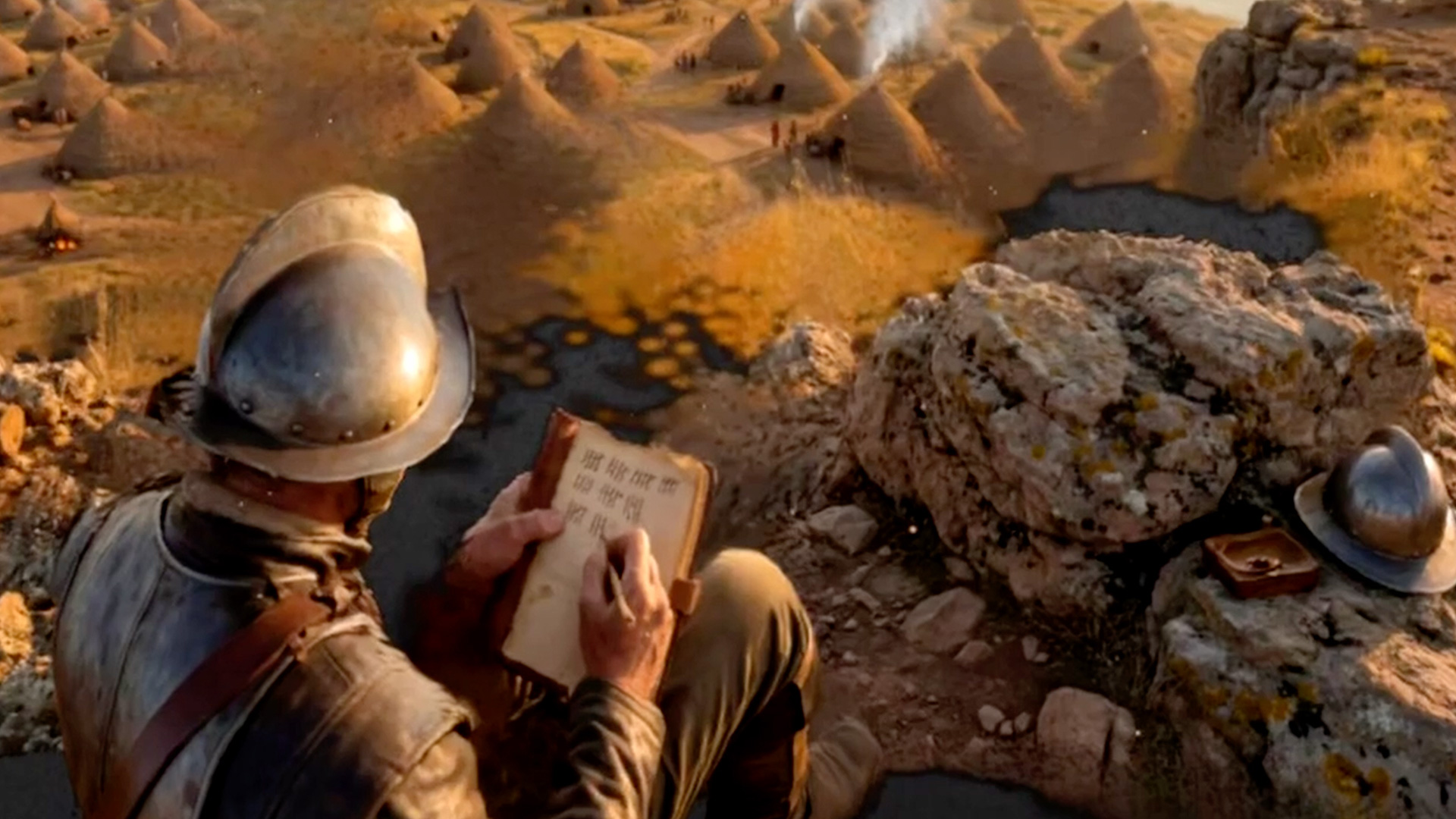
This contrast created a powerful sense of presence, allowing guests to absorb the details of the world while imagining the lives unfolding around them.
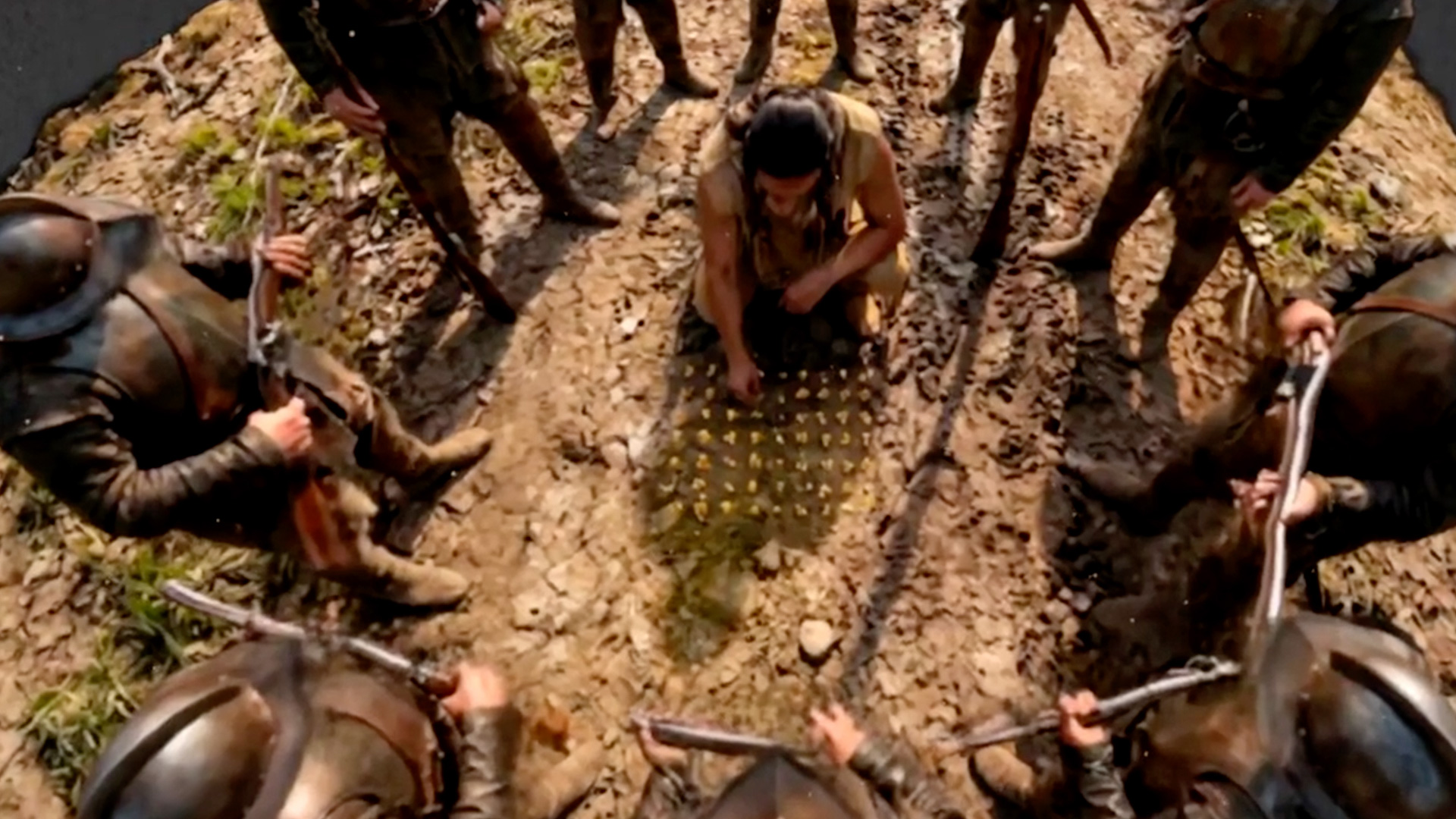
Guests remain seated while guided narration reflects on the rhythms of daily life in Etzanoa. By intentionally removing heavy interactivity, the focus stayed on storytelling, pacing, and emotional connection, making the experience especially well suited for museum and educational settings.
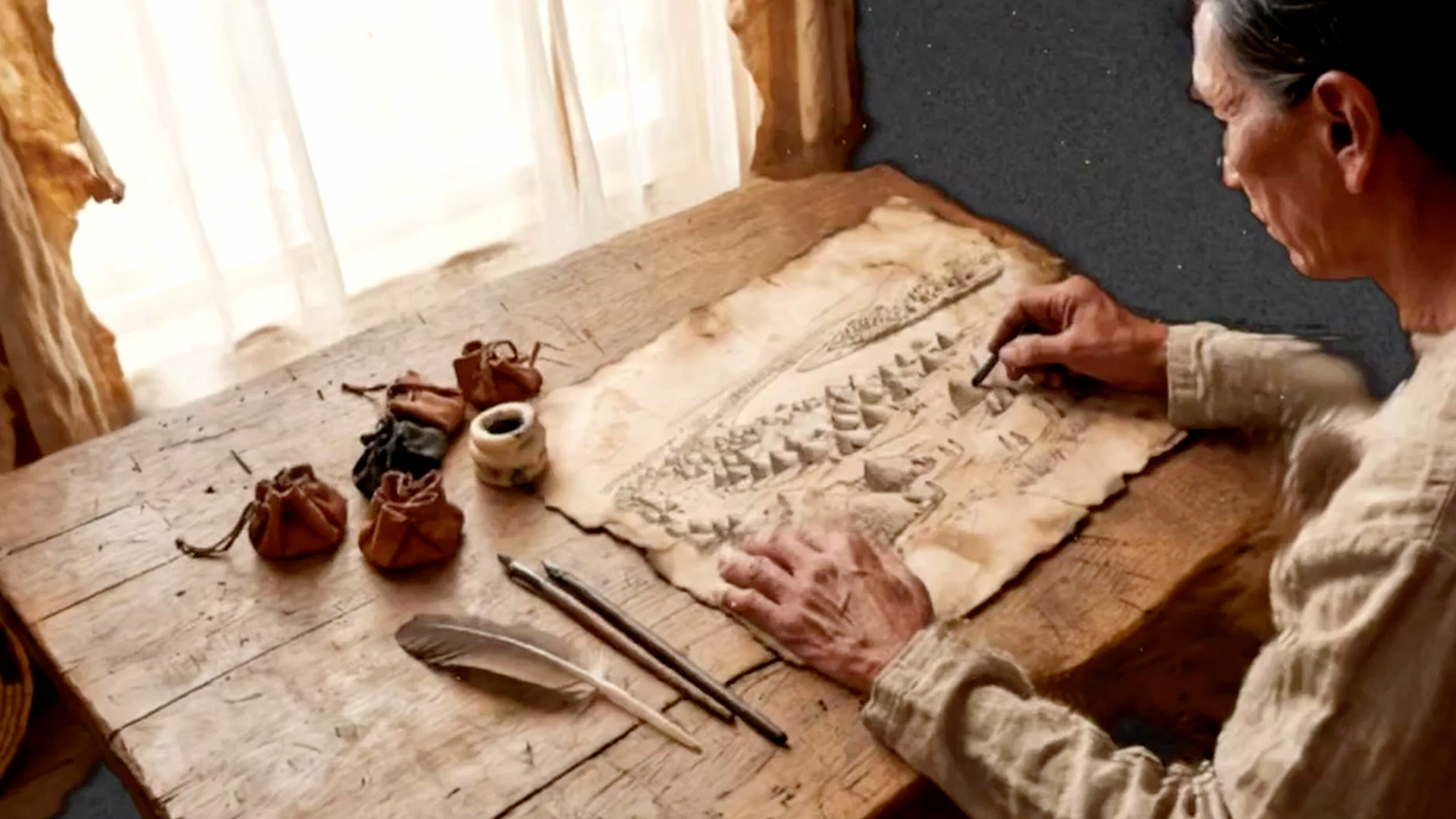
Building a Historical World with ComfyUI
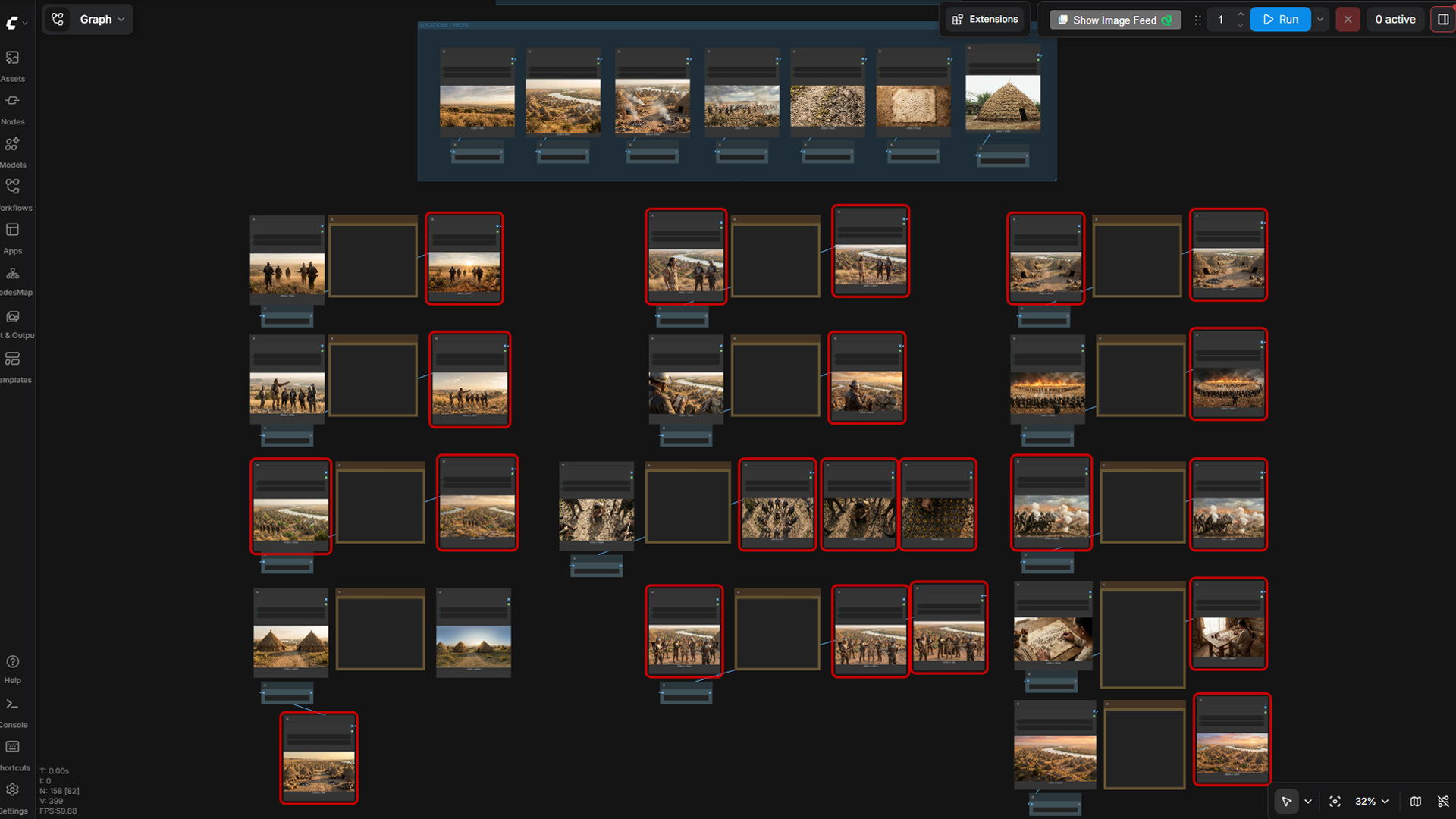
The production pipeline centered around ComfyUI as the creative backbone for the project. Rather than relying on isolated prompts, the workflow evolved into a modular system for managing continuity across characters, locations, props, and story beats.
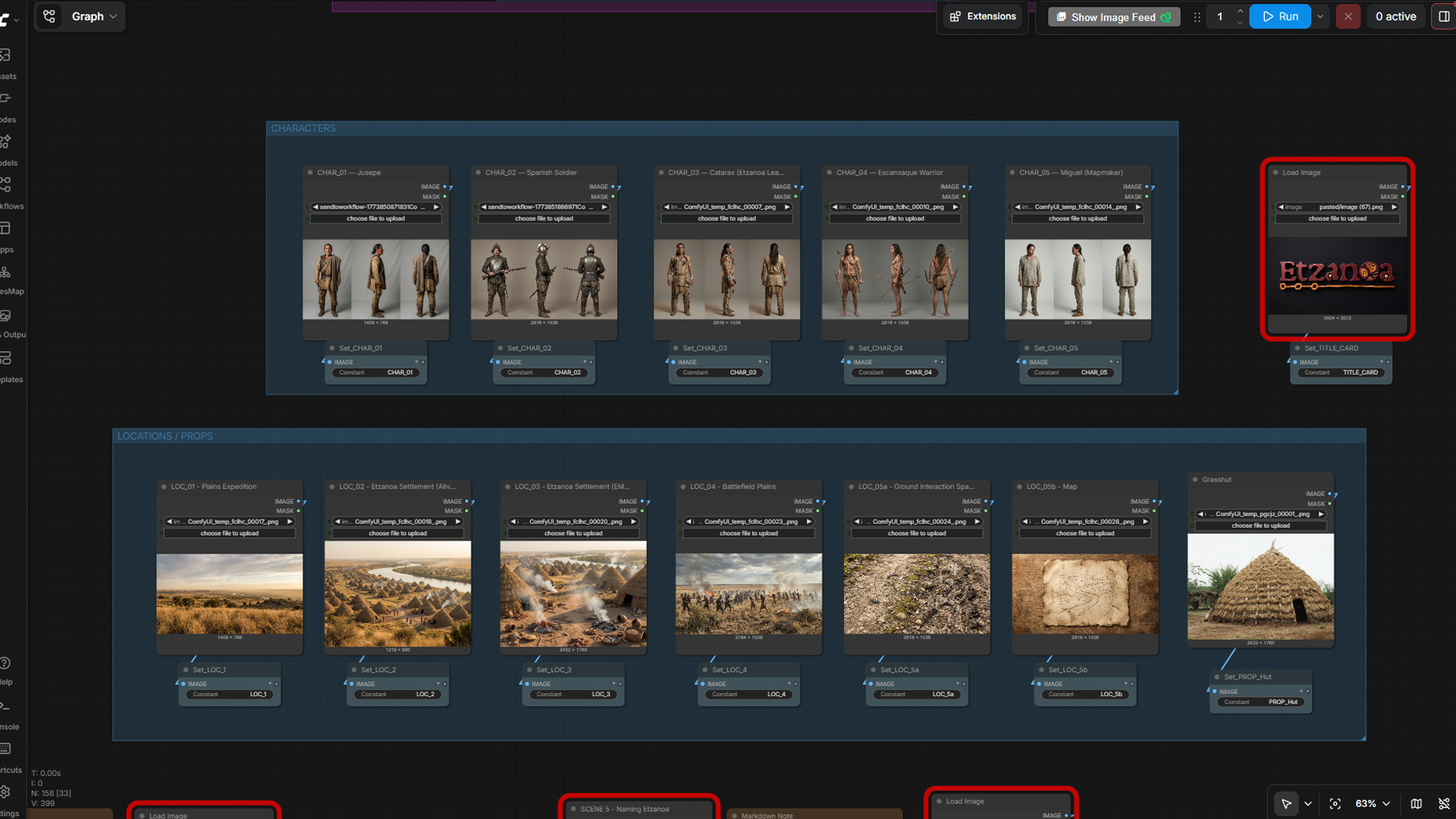
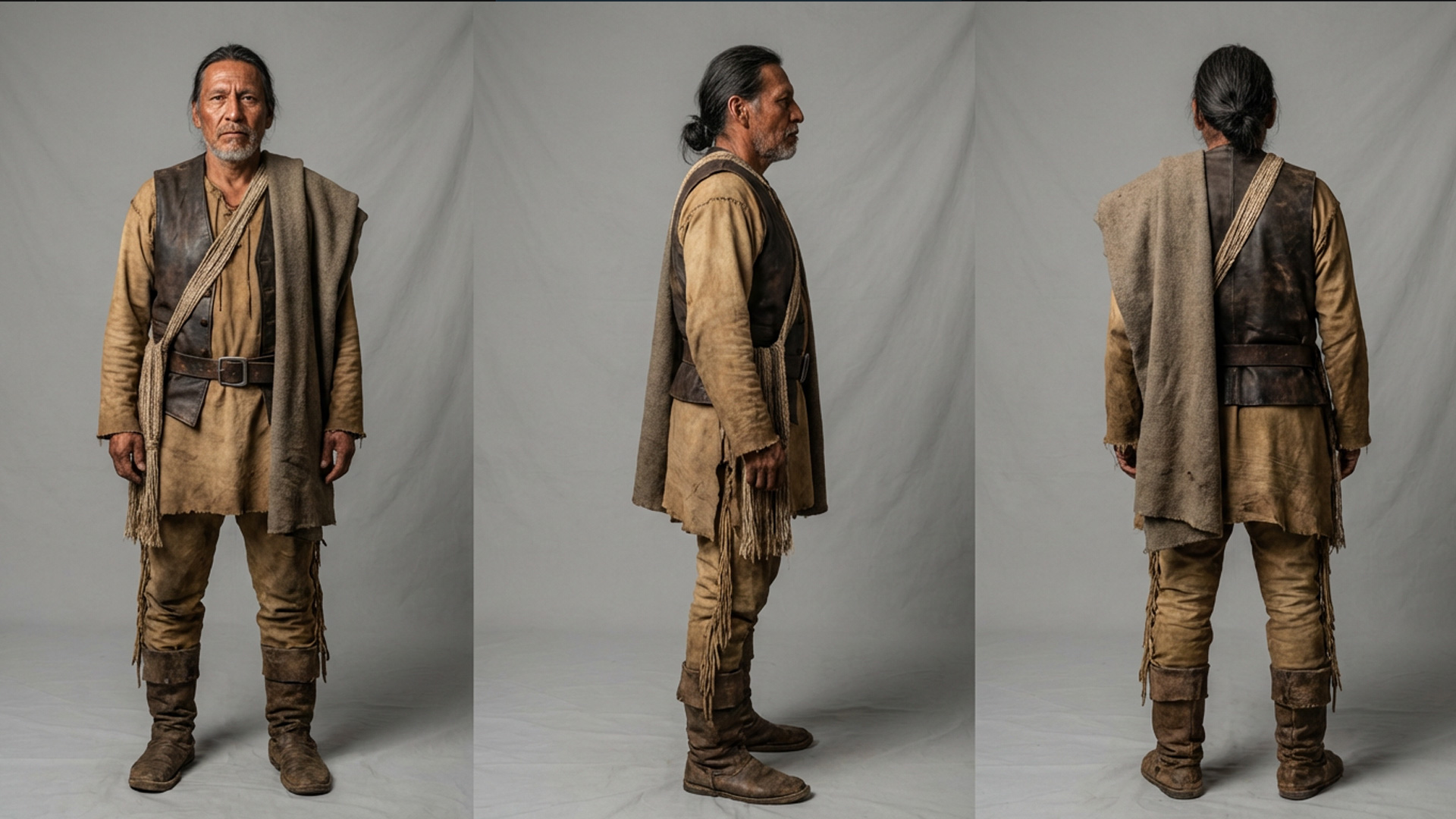
Inside the workflow, reusable visual reference sheets were created for:
- Characters like Jusepe, Catarax, Spanish soldiers, and Escanxaque warriors
- Major locations such as the Etzanoa settlement, battlefield plains, and mapmaker sequences
- Individual narrative scenes tied directly to the script
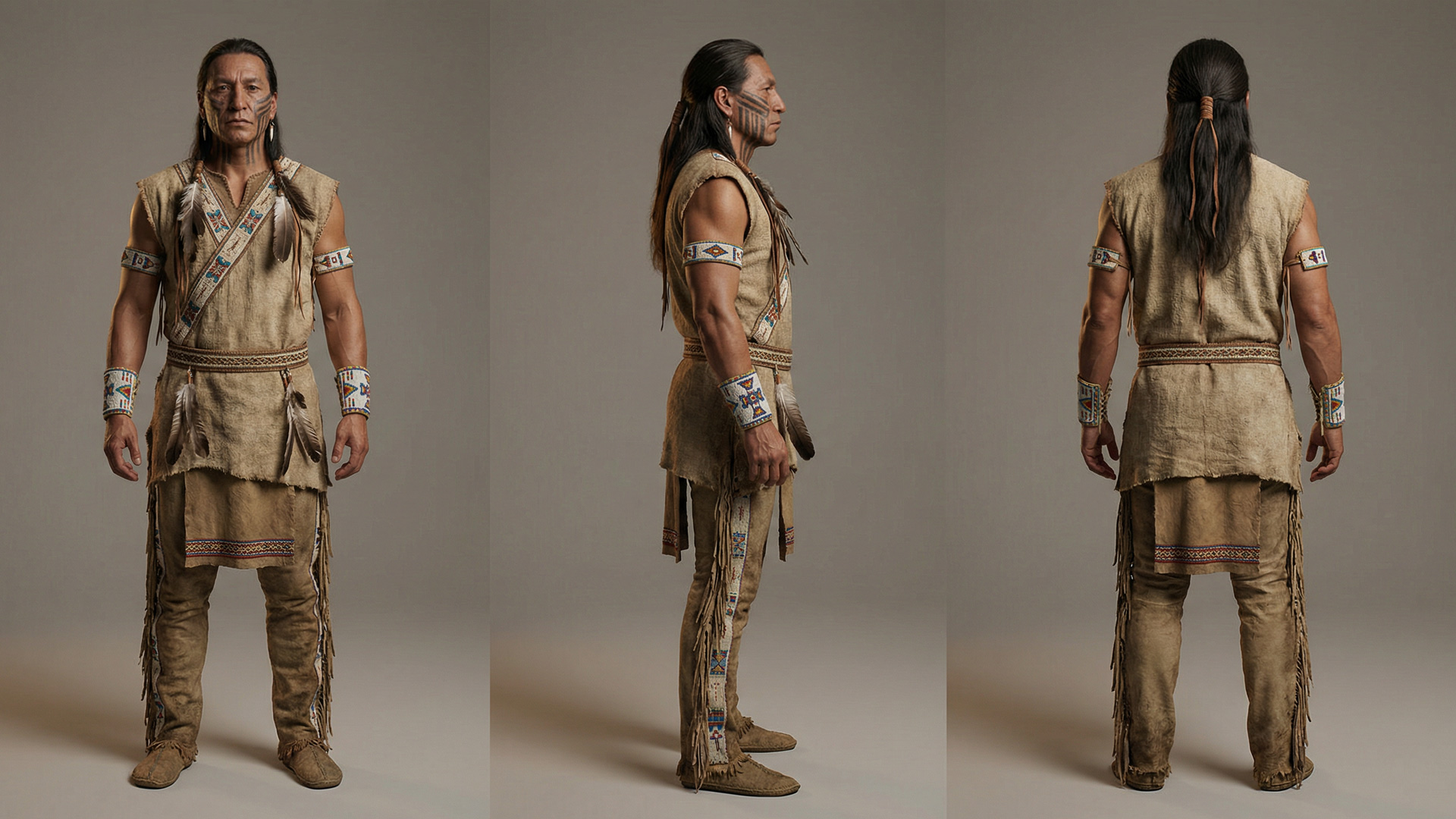
This allowed us to maintain consistency across the entire narrative while iterating rapidly on composition, mood, lighting, and camera perspective. In many ways, it felt less like prompting images and more like casting actors and location scouting for a traditional film.
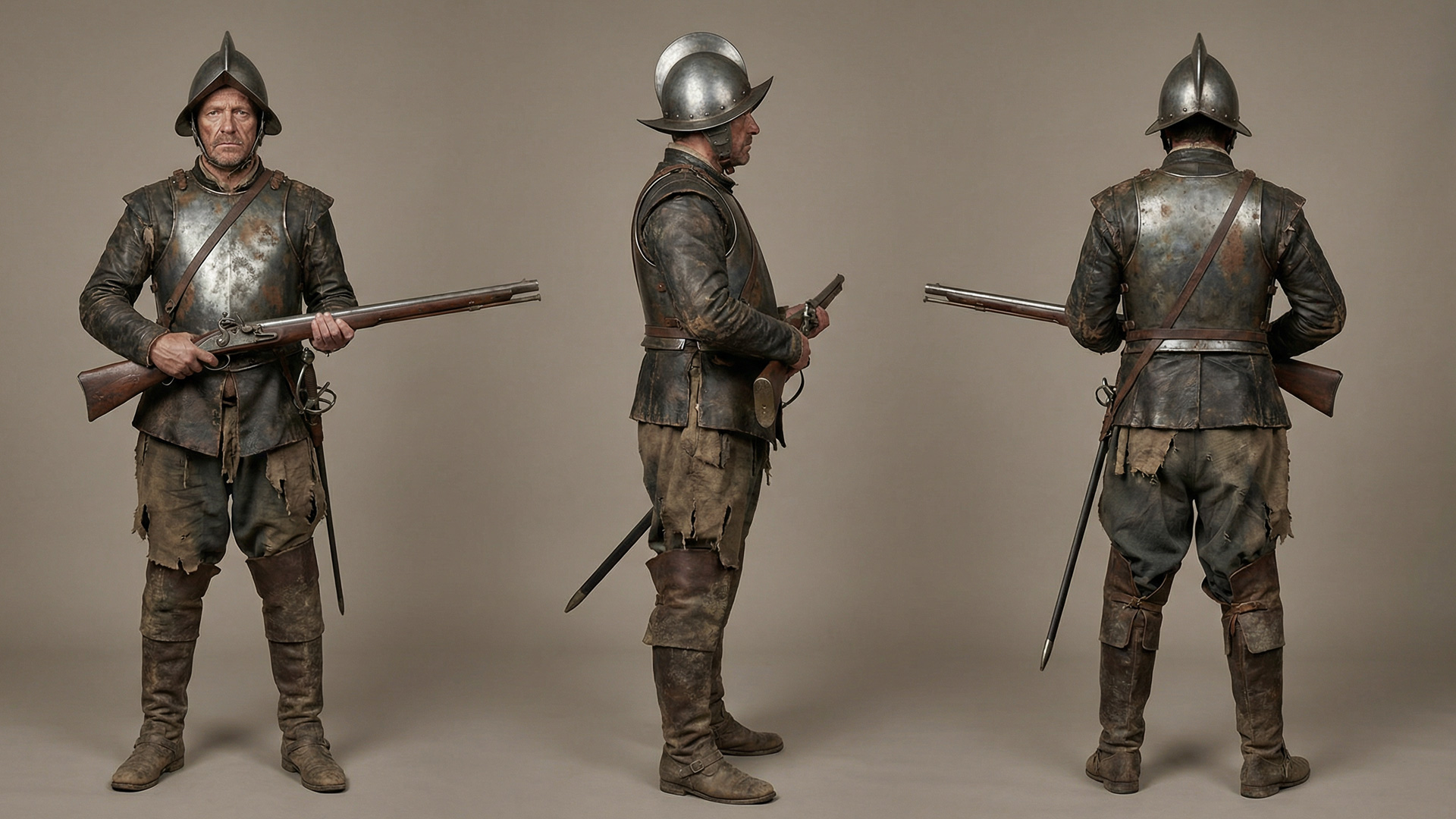
The workflow leveraged multiple AI systems together rather than depending on a single model. Qwen Image Edit workflows, Nano Banana-based image refinement, panoramic outpainting, and multi-angle camera systems were all combined to create cinematic stills and both 180° and 360° environments using a new generative world model optimized for immersive viewing.
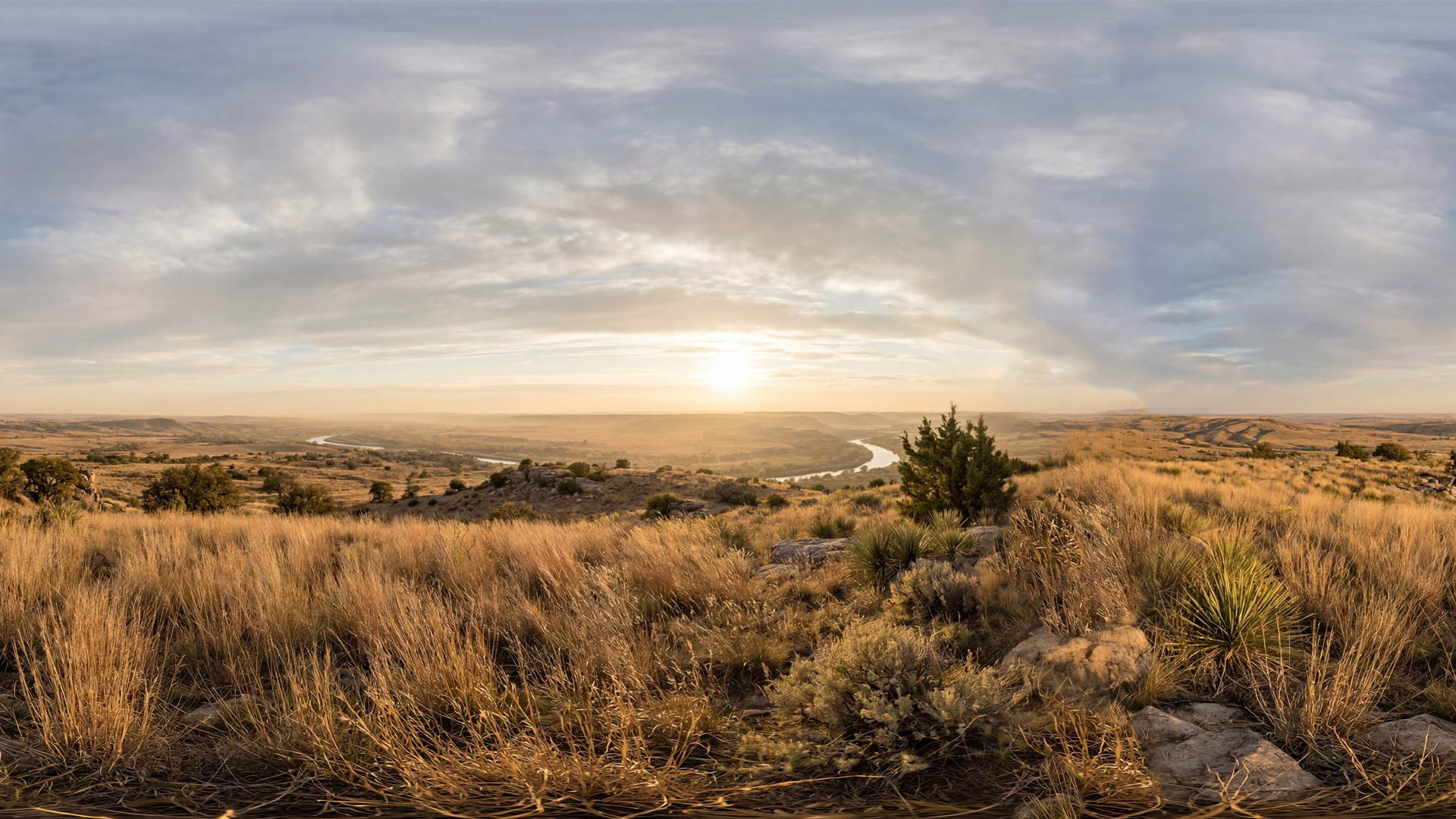
One particularly useful technique involved generating high-quality “hero” still images first, then transforming them into panoramic equirectangular environments suitable for VR experiences. This gave us much stronger artistic control compared to directly generating immersive panoramas from scratch.
From AI Images to Spatial Environments
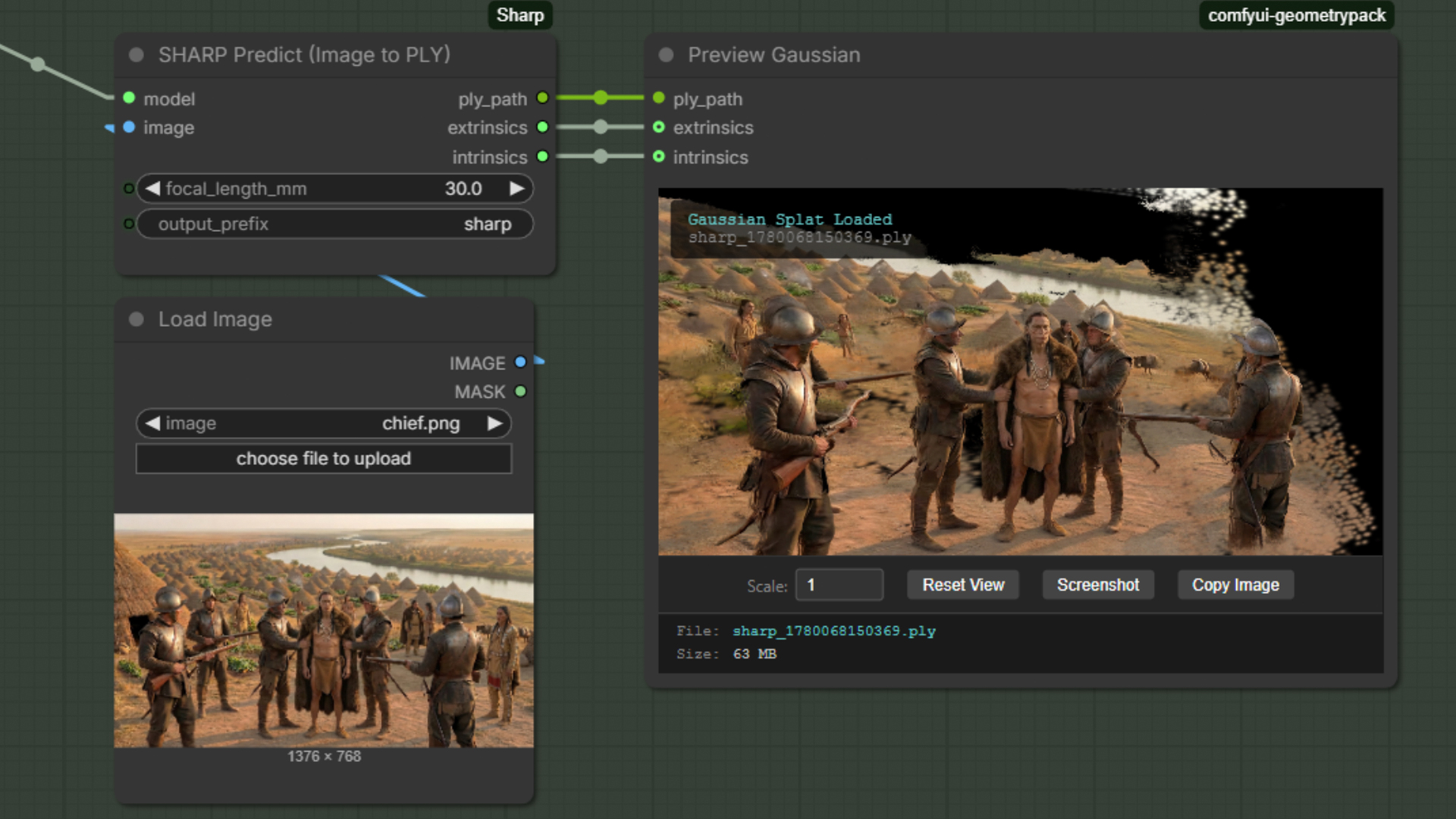
Once scenes were finalized, the images were converted into 3D Gaussian Splats using Apple’s open-source ML Sharp framework integrated directly into the ComfyUI workflow.
This allowed us to move from flat imagery into explorable volumetric environments while preserving the painterly realism and atmosphere of the original artwork.
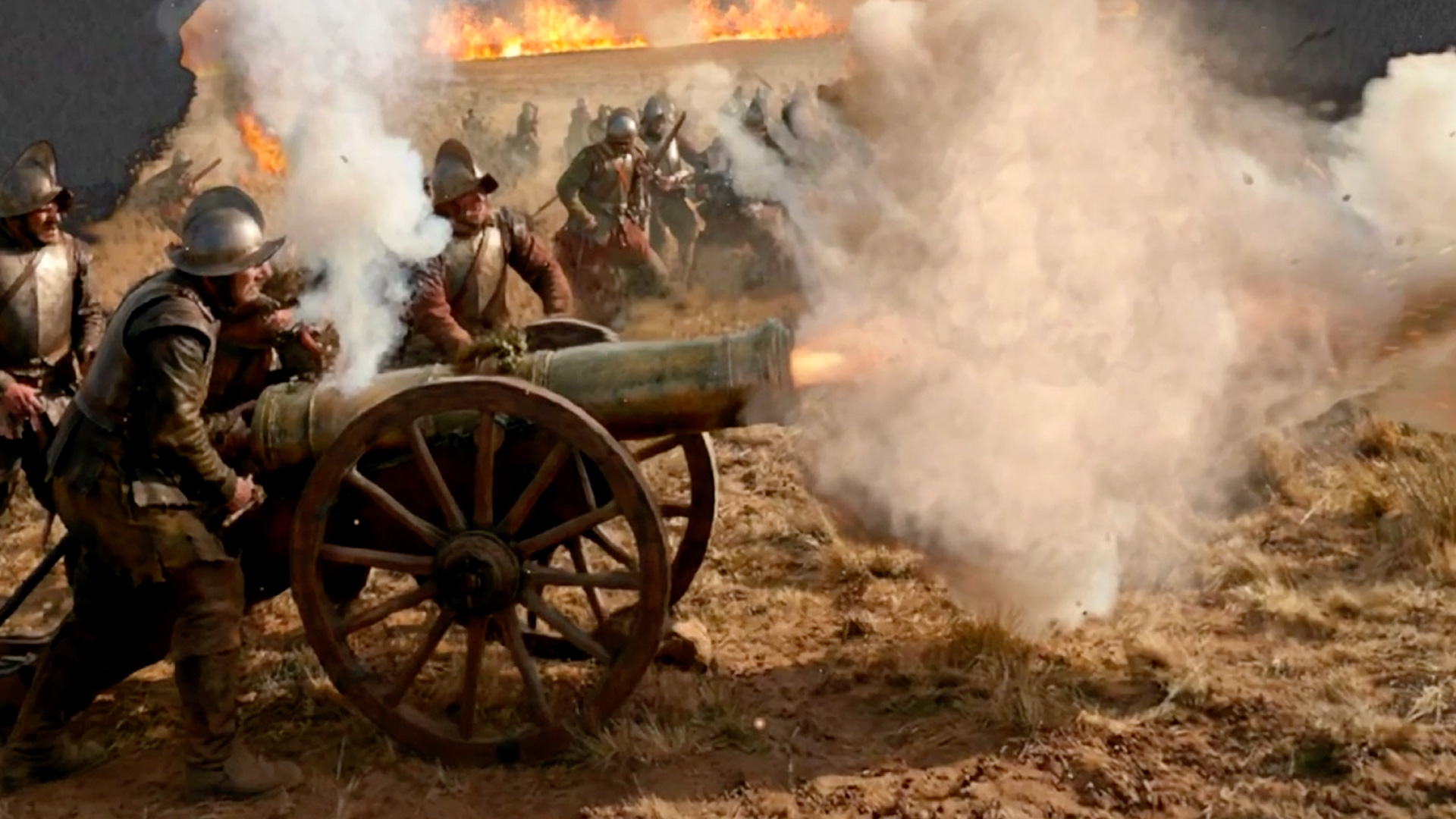
The workflow included:
- Gaussian prediction nodes
- .ply splat generation
- In-workflow splat previewing
- Iterative scene testing before expore
Because Gaussian Splats are lightweight compared to traditional 3D environments, they became an ideal solution for rapidly building immersive historical spaces without requiring a full environment modeling pipeline.
Optimizing for Meta Quest 3 Headsets
One of the biggest technical challenges was preparing the splats for standalone VR hardware. Raw splat captures can quickly become too dense for mobile rendering, so scenes were heavily optimized using various Gaussian editing and cleanup tools. Density reduction, opacity filtering, and splat pruning were all used to balance visual fidelity with realtime performance on Quest 3.
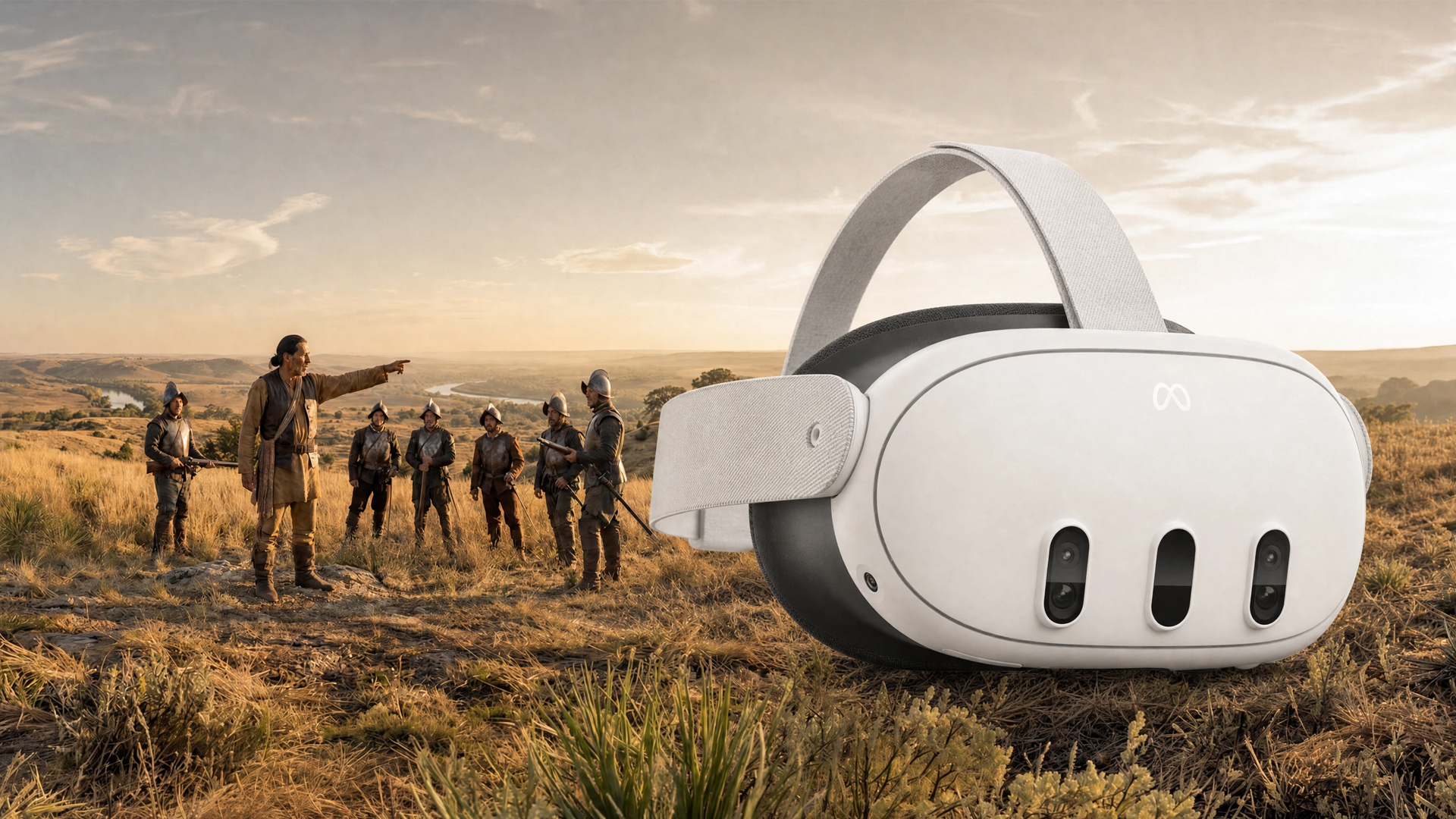
The result was an experience that retained cinematic atmosphere while remaining performant enough for standalone immersive playback. To accelerate development, the team also leveraged Groove Jones’ internal GrooveTech VR framework, allowing more time to focus on creative execution, historical atmosphere, environmental effects, and immersive storytelling.
A Different Approach to VR Storytelling
Rather than building a traditional free-roam VR experience, Etzanoa leaned into carefully composed, mostly locked cinematic viewpoints. This approach helped preserve visual storytelling, reduced motion discomfort, and allowed viewers to absorb the enormous scale of the settlement in a more intentional way.
In many ways, the project became a hybrid between matte painting, virtual production, realtime rendering, and immersive documentary storytelling. Etzanoa became more than a historical reconstruction experiment. It demonstrated how modern
AI directed workflows can help artists rapidly prototype and build immersive worlds while still maintaining strong artistic direction and historical grounding.
For us, the most exciting part wasn’t replacing traditional workflows. It was discovering entirely new ones. ComfyUI evolved from a simple image-generation tool into a lightweight virtual production platform capable of driving immersive storytelling pipelines from concept art all the way through realtime VR deployment.
About the Etzanoa Conservancy
The Etzanoa Conservancy is a non-profit organization based in Arkansas City, Kansas, dedicated to the preservation, archaeological study, and public education of Etzanoa, a massive ancestral Wichita nation settlement that flourished between roughly 1450 and 1700. Often referred to as “The Great Settlement,” the historical city is believed to have housed upwards of 20,000 residents, making it one of the largest prehistoric Native American settlements in North America. After the site’s exact location was rediscovered in 2015 by archaeologists verifying 17th-century Spanish expedition records, local community leaders formed the Conservancy to act as stewards for this monumental historical find.
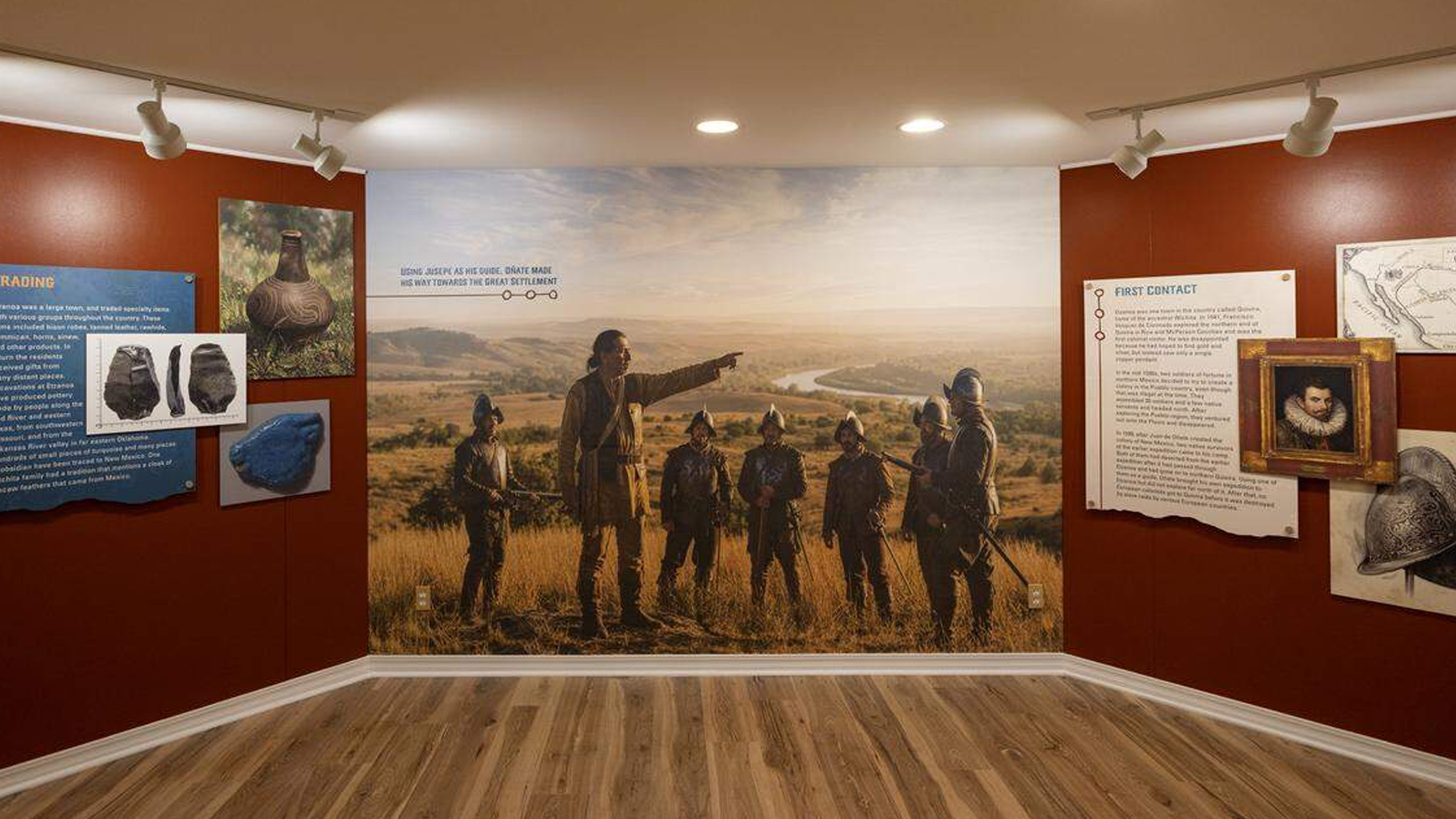
The mission of the Etzanoa Conservancy centers on sustaining ongoing archaeological research in partnership with institutions like Wichita State University, while actively promoting public awareness and historical appreciation of the land.
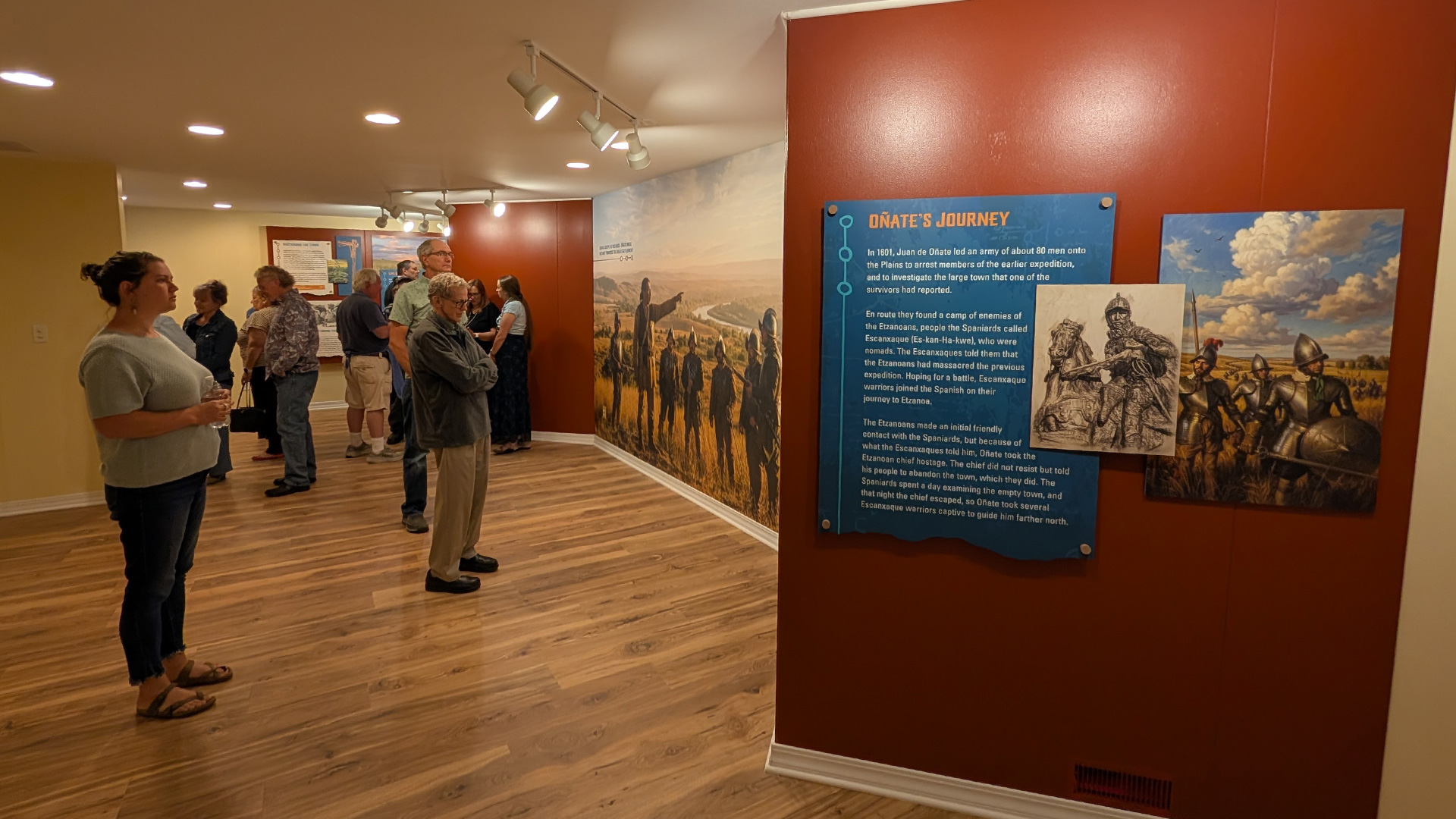
They work to protect vulnerable archaeological sites, manage educational tours, and develop infrastructure, including a visitor center, to share the rich history of the Wichita people’s complex agricultural and vast trade networks with the public. Ultimately, the Conservancy aims to secure the site’s long-term legacy by working toward prestigious national and global protective designations, including status as a National Historical Landmark and a World Heritage Site. Learn more here – https://www.etzanoa.net/
Learn More about Gaussian Splats
Groove Jones details how Gaussian Splatting is revolutionizing the 3D capture and content creation pipeline for brands, offering a massive upgrade over traditional photogrammetry or polygon-based modeling in the Sandbox Article – https://www.groovejones.com/gaussian-splats-are-changing-how-brands-capture-and-share-the-real-world The core breakdown of the shift includes:
What is Gaussian Splatting?
Instead of constructing 3D environments out of hard polygons, Gaussian Splatting represents real-world spaces using millions of “soft points of light.” Each point retains data on depth, color, and light reflection. This creates a highly authentic sense of presence, preserving real-world textures and lighting dynamics far more accurately than older techniques.
Key Operational Benefits
- Rapid Speed: Utilizing modern physical hardware like the XGRIDS camera system, production teams can walk through a space once and capture it entirely in minutes. Processes that used to require weeks of stitching and manual cleanup are condensed into a few days.
- Zero Friction (WebXR): The resulting 3D assets aren’t locked into massive standalone apps. Using WebGL and WebGPU pipelines, they can be streamed directly into standard web browsers. Users can interact with the 3D environments on desktops, mobile phones, or spatial headsets (like Apple Vision Pro) via a simple URL link.
- Asset Reusability: Once an environment is captured, it becomes a permanent digital asset that can be integrated with AI elements, used for multi-platform marketing campaigns, or repurposed repeatedly.
Core Business Applications
- Retail & Real Estate: Virtual store walkthroughs, immersive showroom tours, and prototyping retail layouts remotely.
- Training & Simulation: Creating precise digital twins of active working environments for browser-based employee training.
- Events & Experiential Marketing: Digitally preserving live event activations, expanding physical event footprints to remote audiences, and creating virtual “memory captures.”
Read the Sandbox Article – https://www.groovejones.com/gaussian-splats-are-changing-how-brands-capture-and-share-the-real-world


