
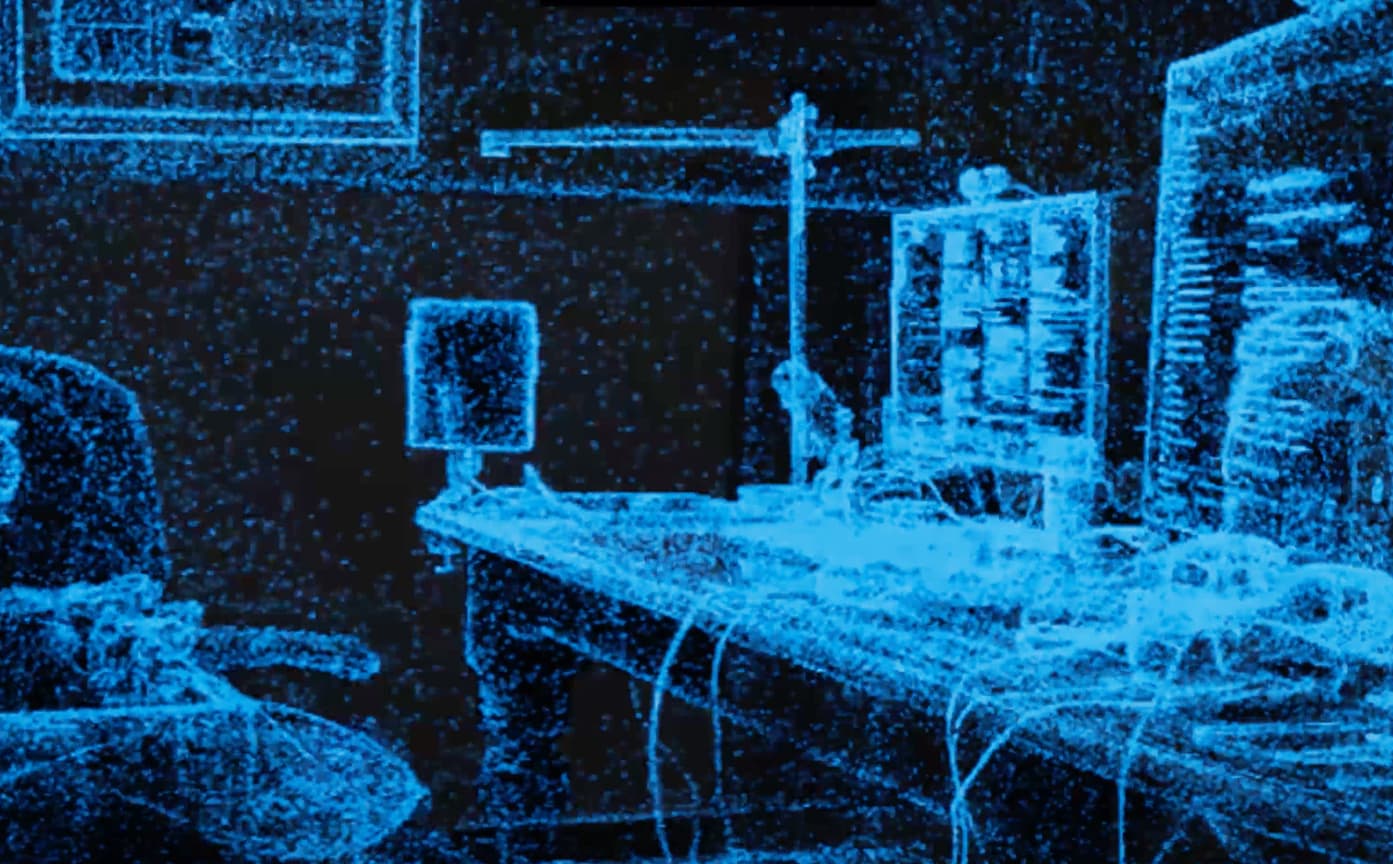




For years, creating high-quality 3D environments has been a tradeoff between speed, cost, and realism. If you wanted something photoreal, it took time. If you needed it fast, you sacrificed fidelity. And if you needed both, it often meant complex production pipelines that were difficult to scale. That equation has changed.
The shift is happening as spatial computing accelerates across platforms like the Apple Vision Pro and next-gen WebXR devices like Samsung and Google’s Galaxy XR and Pico. Brands are no longer asking if they should invest in immersive content, but how fast they can deploy it at scale. Gaussian Splatting, paired with next-generation capture systems like the XGRIDS camera, is redefining how brands and agencies create spatial content. It is faster, more accurate, and far more flexible than traditional methods, opening the door to entirely new types of immersive experiences.
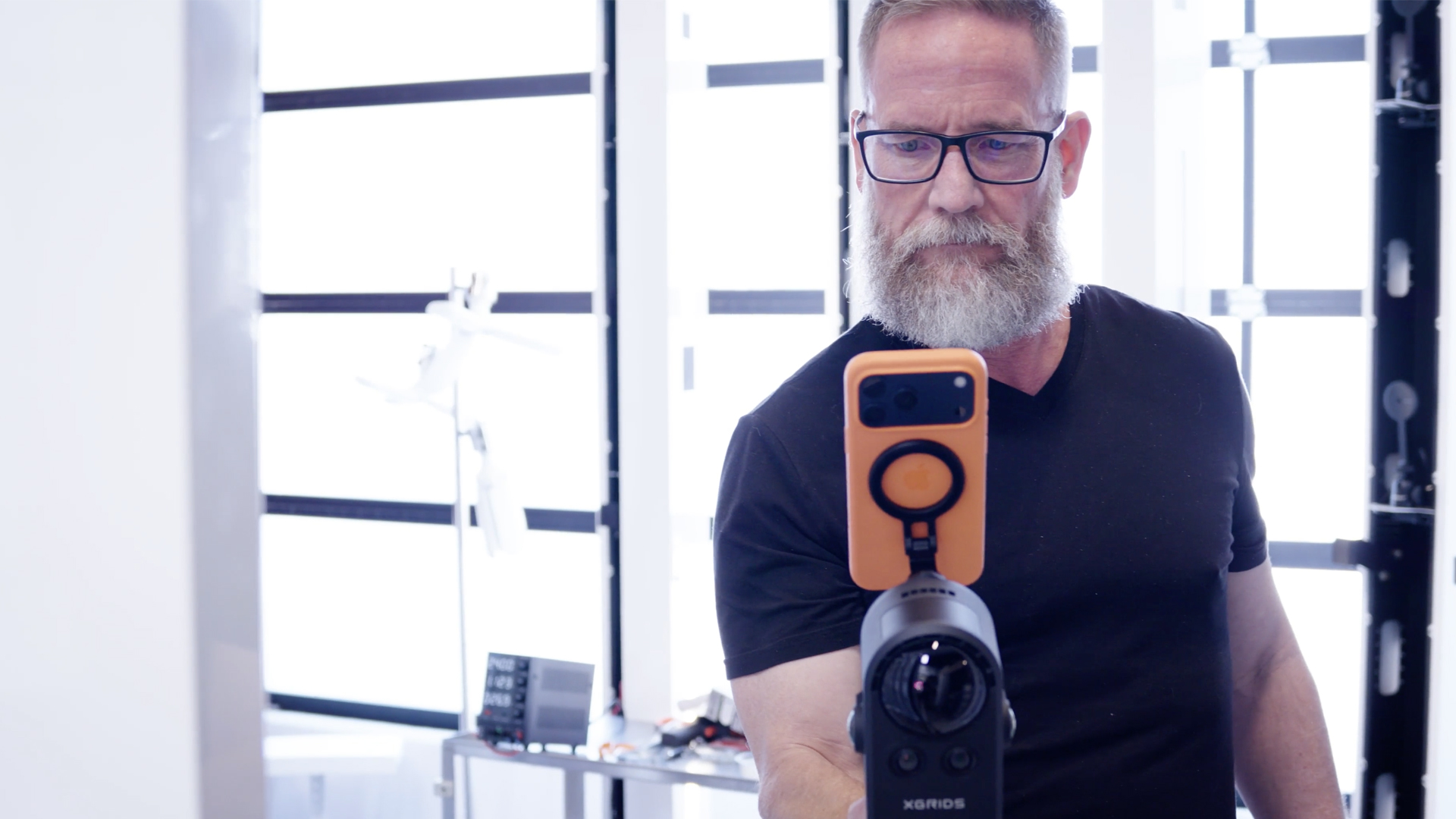
At Groove Jones, we design the full pipeline from scan to experience, using this technology to help brands capture real-world environments in ways previously impossible, and then turn those environments into powerful tools for marketing, training, and experiential storytelling.
What Are Gaussian Splats, and Why Should Brands Care?
Gaussian Splatting is a breakthrough approach to rendering real-world environments in 3D. Instead of building scenes from polygons or relying on heavy photogrammetry workflows, it represents a space as millions of tiny, soft points of light. Each point carries information about color, depth, and light. When combined, they recreate environments with a level of realism that feels immediate and natural, closer to how we actually perceive the world.
For brands, the technical details matter less than the outcome. You can capture a real location and turn it into an immersive, explorable digital environment in a fraction of the time it used to take.
Capture Entire Spaces in Minutes, Not Weeks
Traditional 3D capture often requires hundreds or thousands of photos, careful stitching, cleanup, and optimization. It is time-consuming and can be fragile if conditions are not perfect.
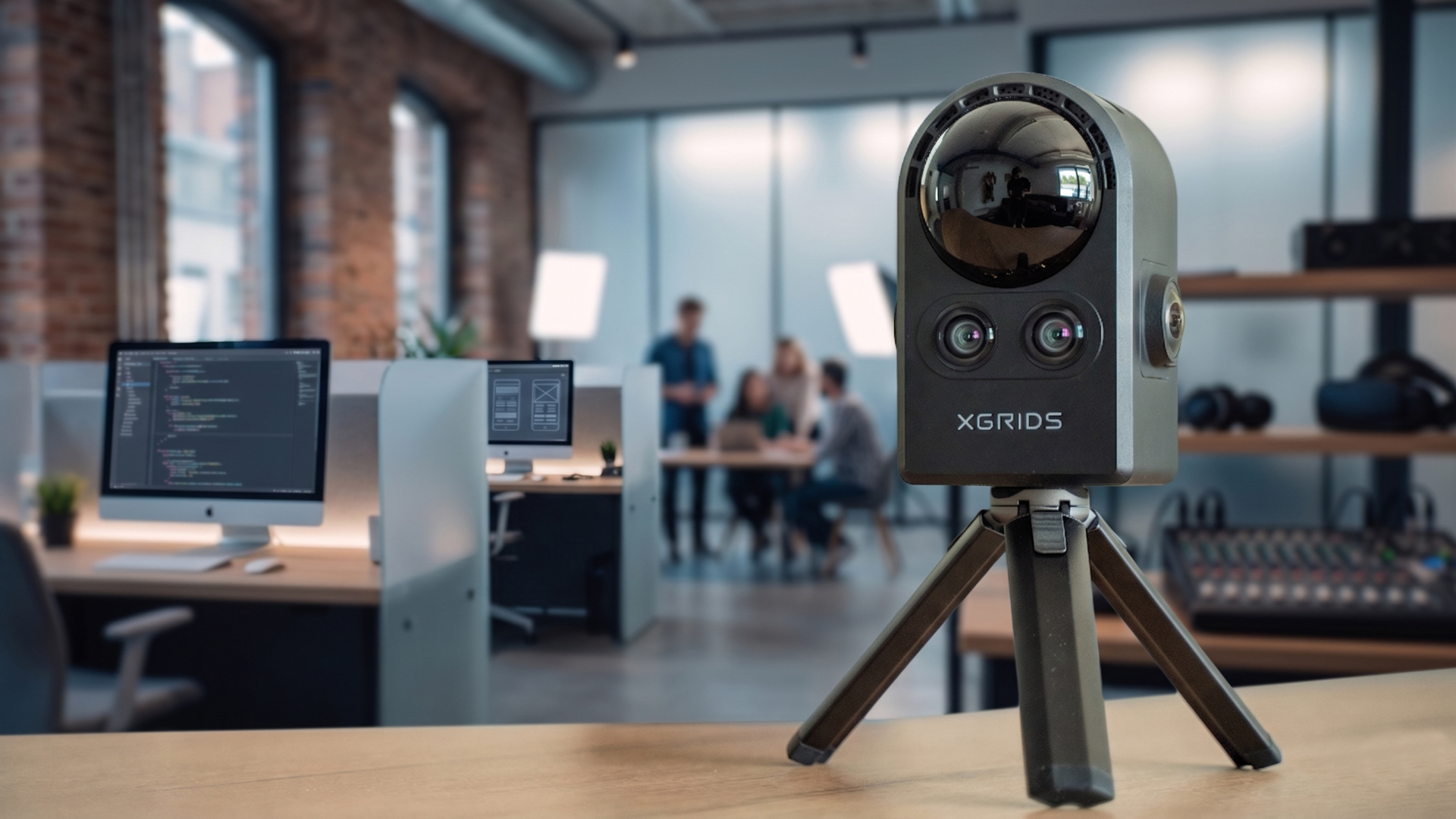
With the XGRIDS system, we can walk a space once and capture everything. Every angle. Every surface. Every detail. Retail environments, large venues, training facilities, and event spaces can be digitized quickly and accurately, even while they are active. That means less disruption, faster turnaround, and the ability to scale across multiple locations.
For brands with physical footprints, this is a fundamental shift in how environments are documented and shared.
From Capture to Experience in the Browser – WebXR
What makes Gaussian Splats especially powerful is not just how quickly spaces can be captured, but how easily they can be experienced. These environments are not locked inside specialized software or heavy applications. They can be delivered directly through a web browser, instantly accessible through a simple link. This is where spatial computing meets the open web. Using modern web technologies and WebXR, Gaussian Splat environments can be explored across devices, including desktops, mobile devices, and immersive headsets. A single captured space can become a shared experience accessible to anyone without downloading an app or installing software.
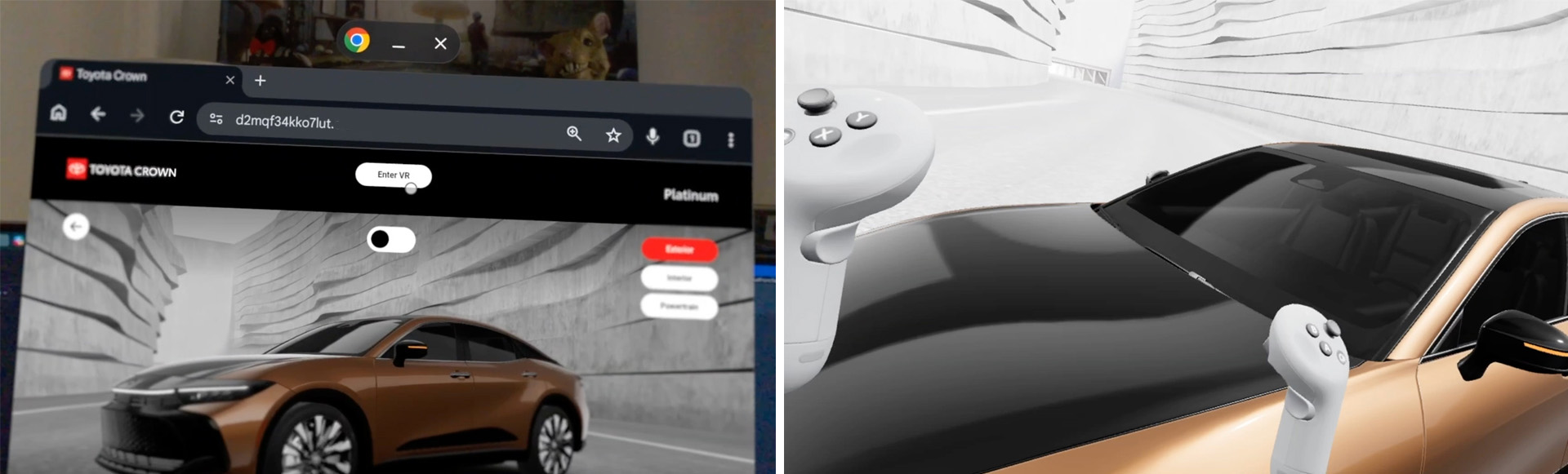
Today, WebXR is supported across major browsers and devices, enabling immersive experiences on phones, desktops, and headsets through a single delivery method. Gaussian Splat viewers are already leveraging WebGL and emerging WebGPU pipelines to efficiently stream complex 3D environments, enabling real-time exploration even in large-scale spaces. For agencies and brands, this removes one of the biggest barriers to adoption. No friction. No onboarding. Just immediate access to immersive content.
A New Standard for Realism and Presence
Gaussian Splats deliver something that traditional 3D often struggles with: presence. Surfaces feel soft and natural. Lighting behaves more like it does in the real world. Small details, like reflections, textures, and depth cues, are preserved in a way that makes the experience feel authentic.
This is especially important when the goal is not just to show a space, but to immerse someone in it. Whether it is a flagship retail location, a live event environment, or a behind-the-scenes brand experience, the difference is immediate and impactful.
Real-World Applications That Drive Business Value
This is not just a new way to visualize spaces. It is a new way to use them.
- Retail and Real Estate – Brands can create immersive tours of stores, showrooms, and properties that go far beyond static imagery. Teams can prototype layouts, plan activations, or give stakeholders a true sense of place without being on-site. With browser-based delivery, these environments can be shared instantly across teams, partners, and clients.
- Training and Simulation – Organizations can capture real environments and turn them into interactive training modules. Employees can learn in spaces that match their actual work conditions, improving retention and reducing onboarding time. Because these experiences run in the browser, training can scale across distributed teams without complex deployment.
- Events and Experiential – Live events can be captured and extended into digital experiences. Brands can preserve activations, create virtual access for remote audiences, or repurpose environments for future campaigns. With WebXR support, these environments can also be experienced immersively in VR or AR, expanding their reach beyond the event’s physical footprint.
- Marketing and Content Creation – Once a space is captured, it becomes a reusable asset. You can generate new content, build interactive stories, or integrate it into AR and VR experiences without starting from scratch. These environments become living content platforms rather than one-time deliverables.
New Creative Possibilities
- Turn real-world spaces into interactive story worlds
- Blend captured environments with AI-generated elements
- Enable POV-driven narratives inside real & virtual locations
- Create “memory capture” experiences for events
Faster Production, Greater Flexibility
One of the biggest advantages of Gaussian Splatting is its ability to compress the production timeline. What used to take weeks can now happen in days.

This speed does not just reduce costs. It enables new creative workflows. Teams can iterate faster, test ideas, and respond to opportunities in real time. For agencies, that means more agility. For brands, it means staying ahead. Work we did for USF – https://www.groovejones.com/3d-environments-volumetric-stage-productions
Built for the Future of Spatial Computing
Gaussian Splats are not just a better way to capture the world. They are built for how audiences will experience content moving forward. As spatial computing becomes more mainstream, the ability to deliver immersive environments through the browser becomes critical. Brands need content that works across platforms, devices, and contexts without requiring users to change their behavior.
Because Gaussian Splat environments can be streamed, optimized, and experienced through standard web technologies, they align naturally with this shift. One captured environment can support traditional web viewing, interactive exploration, and immersive headset experiences without requiring content to be rebuilt from scratch.
Why Groove Jones
Technology alone is not the differentiator. How it is applied is what creates impact. At Groove Jones, we combine advanced capture systems, such as XGRIDS, with deep expertise in immersive storytelling. We do not just capture spaces. We turn them into experiences that engage audiences, support business goals, and scale across platforms. From strategy through execution, we help brands understand where spatial content fits and how
The Future of Spatial Content Is Already Here
Gaussian Splatting is not a future concept. It is a present-day capability that is already changing how environments are captured, shared, and experienced. For brands and agencies looking to create deeper connections with their audiences, it offers a faster, more realistic, and more flexible path forward.
The real shift is simple. You can capture the real world once and publish it everywhere.


