



Across the United States, a new type of outreach is rolling into school parking lots, community events, and state fairs. These are mobile tours, large trailers and expandable rigs that transform into immersive learning environments focused on careers, technology, and hands on exploration. Inside these trailers you might find a welding simulator, a VR diesel repair experience, a touchscreen career explorer, or a mobile STEM lab filled with robotics and engineering challenges. These traveling environments are designed to do something traditional outreach struggles with. They meet audiences where they are.
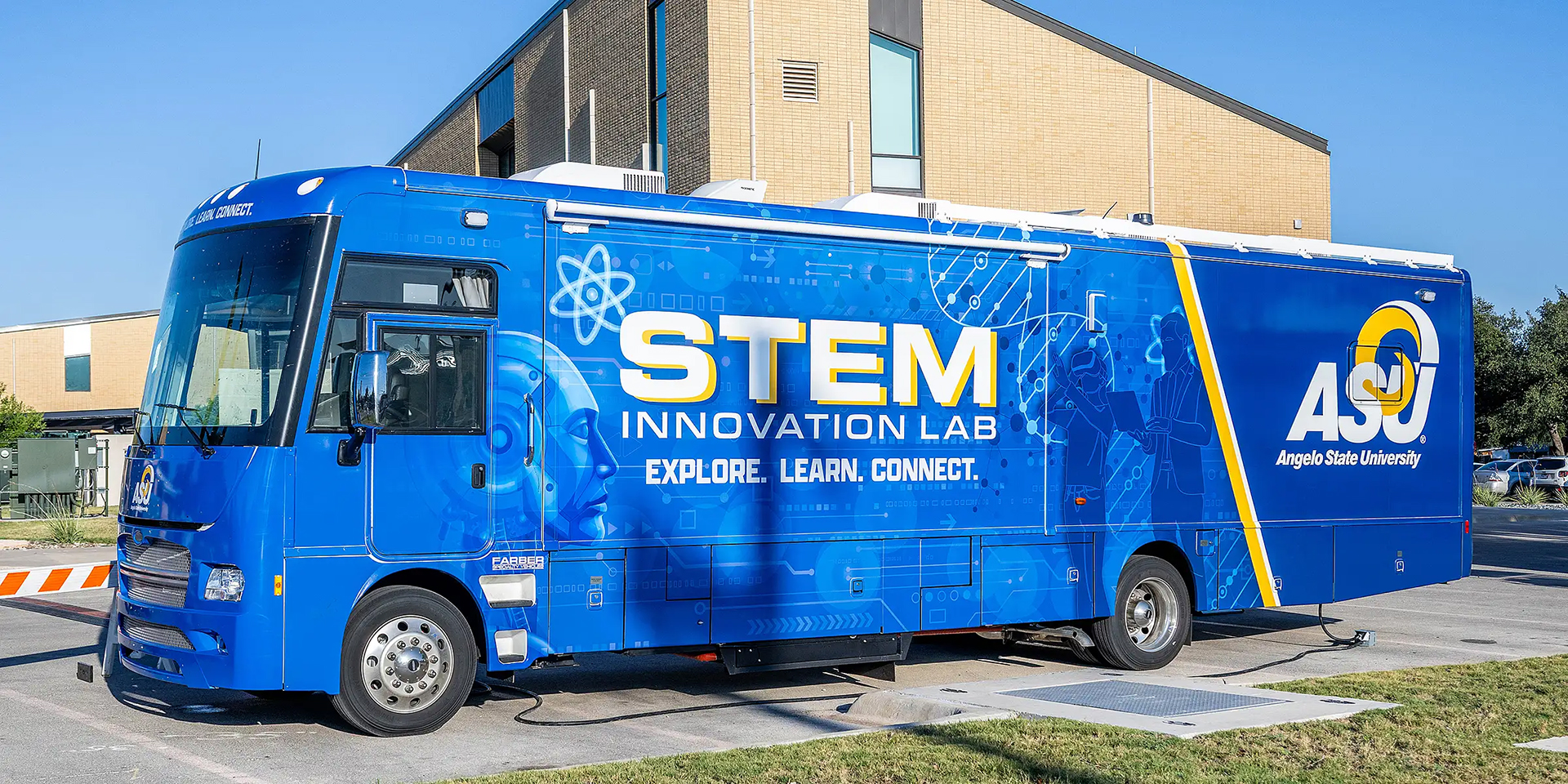
For organizations trying to inspire the next generation of workers, students, or recruits, mobile tours are proving to be one of the most effective ways to create memorable experiences at scale.
The Rise of Mobile Learning and Recruitment Tours
Mobile labs and experiential trailers have grown rapidly over the past decade as organizations search for new ways to reach younger audiences. These programs turn buses, RVs, and trailers into fully equipped learning environments that travel directly to schools and communities.

Instead of asking students to visit a campus, museum, or training facility, the experience arrives at their school. Students walk into what feels like a futuristic lab on wheels and suddenly they are exploring engineering challenges, piloting virtual machinery, or discovering careers they may have never heard of before.
Mobile learning labs are especially powerful because they remove geographic barriers. Students in rural or underserved areas often lack access to advanced STEM programs or industry training facilities. Mobile labs bring the equipment, the instructors, and the experiences directly to them. The result is a scalable outreach platform that can travel thousands of miles each year and reach tens of thousands of students.

From Awareness to Immersion
What makes modern mobile tours so effective is the integration of interactive technology. Early outreach programs often relied on brochures, presentations, and static displays. Today’s mobile experiences focus on immersion and participation. Inside many trailers you will find:
- Virtual reality simulations
- Touchscreen career exploration experiences
- Hands on engineering challenges
- Immersive storytelling experiences
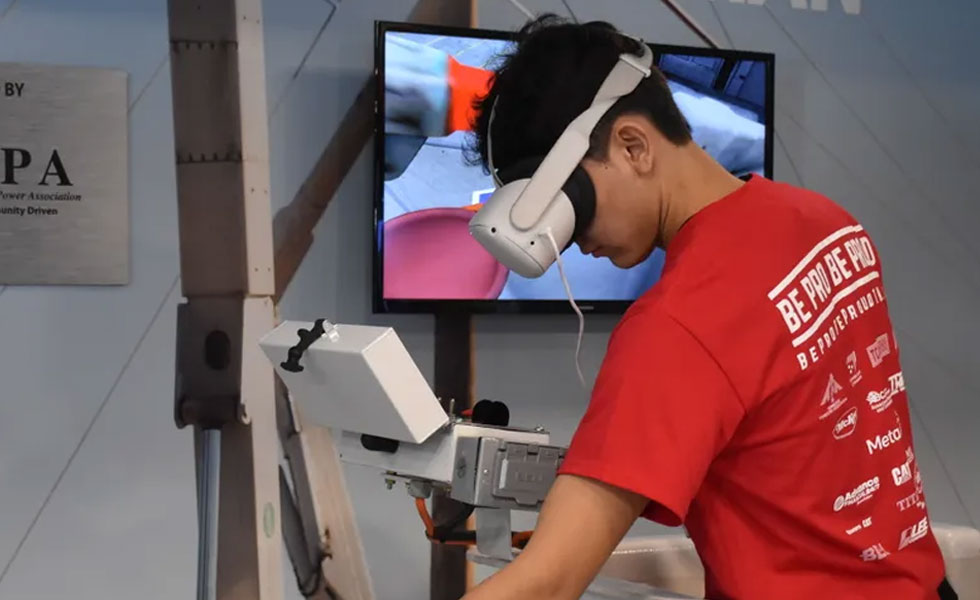
These tools allow students to experience a career rather than simply hearing about it. A student can step into a VR experience and repair a diesel engine. Another can explore a water treatment plant through a simulated environment. Others may navigate a touchscreen career map that shows the real pathways from training programs to high demand jobs.
When students actively participate in an experience, they begin to imagine themselves in that role.
Be Pro Be Proud: A National Model
One of the most successful examples of this approach is the Be Pro Be Proud mobile tour program. Operating across multiple states, the initiative is designed to introduce students to skilled trade careers through immersive technology.

The program travels in a large expandable trailer filled with interactive stations representing careers such as diesel mechanics, construction, utilities, and manufacturing. Students rotate through hands on and simulated experiences that demonstrate what these jobs are actually like.
The Be Pro Be Proud program is so popular it has a 2 year waitlist for schools to book a visit!
These tours have already reached hundreds of thousands of students and continue expanding into new states each year. By allowing students to try real tasks in simulated environments, the program reframes skilled trades as high tech, high opportunity career paths.
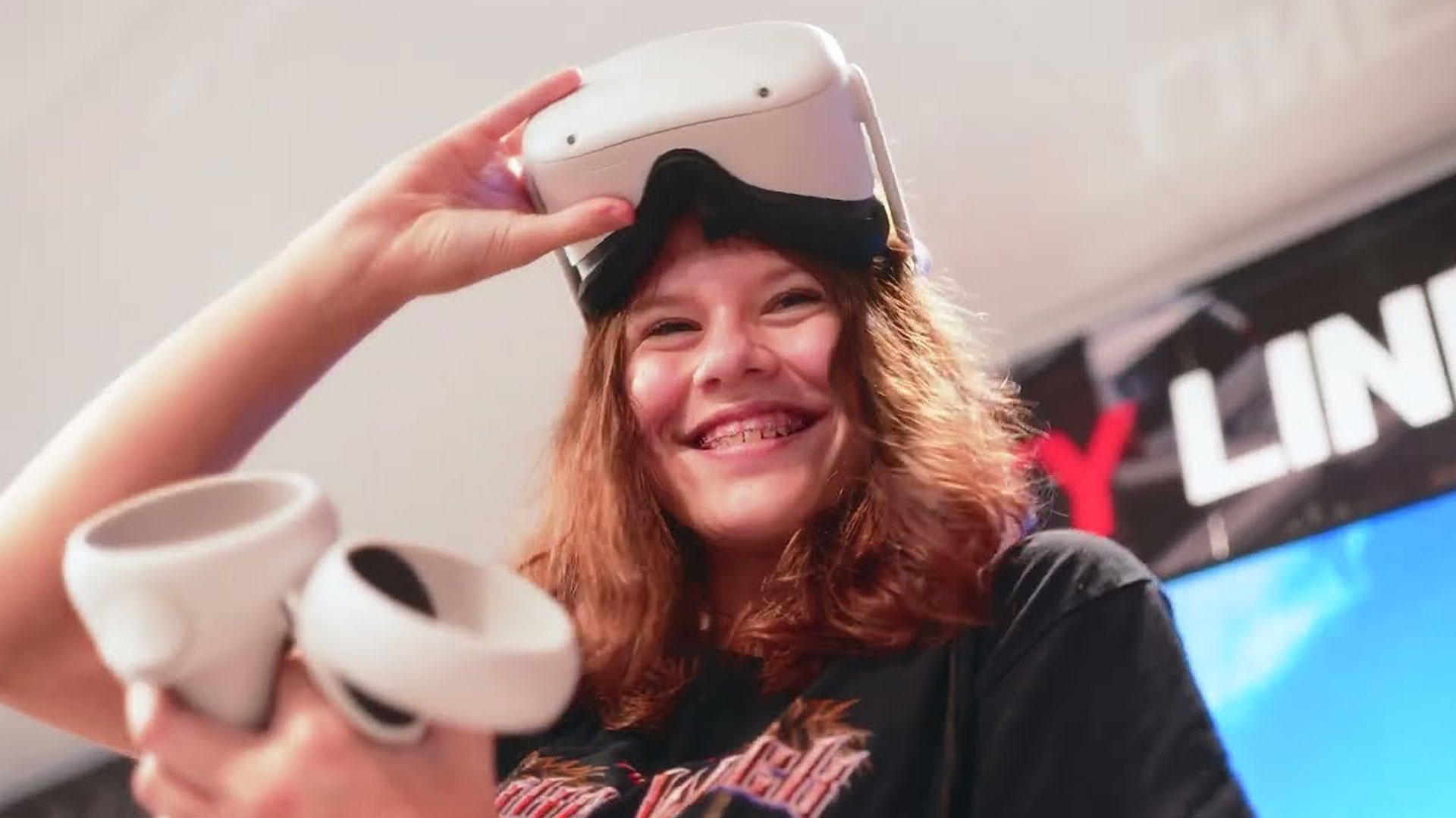
Experiences such as diesel repair simulations and water works VR environments allow participants to interact with complex systems that would normally be impossible to bring into a school environment.
Mobile STEM Labs for Universities
Universities are also embracing the mobile tour model as a powerful recruitment tool. Groove Jones worked with Angelo State University recently to launch a mobile STEM lab designed to bring science and engineering experiences directly to schools across Texas. The trailer serves as a traveling classroom where students can explore advanced technology while learning about educational opportunities available to them after graduation.
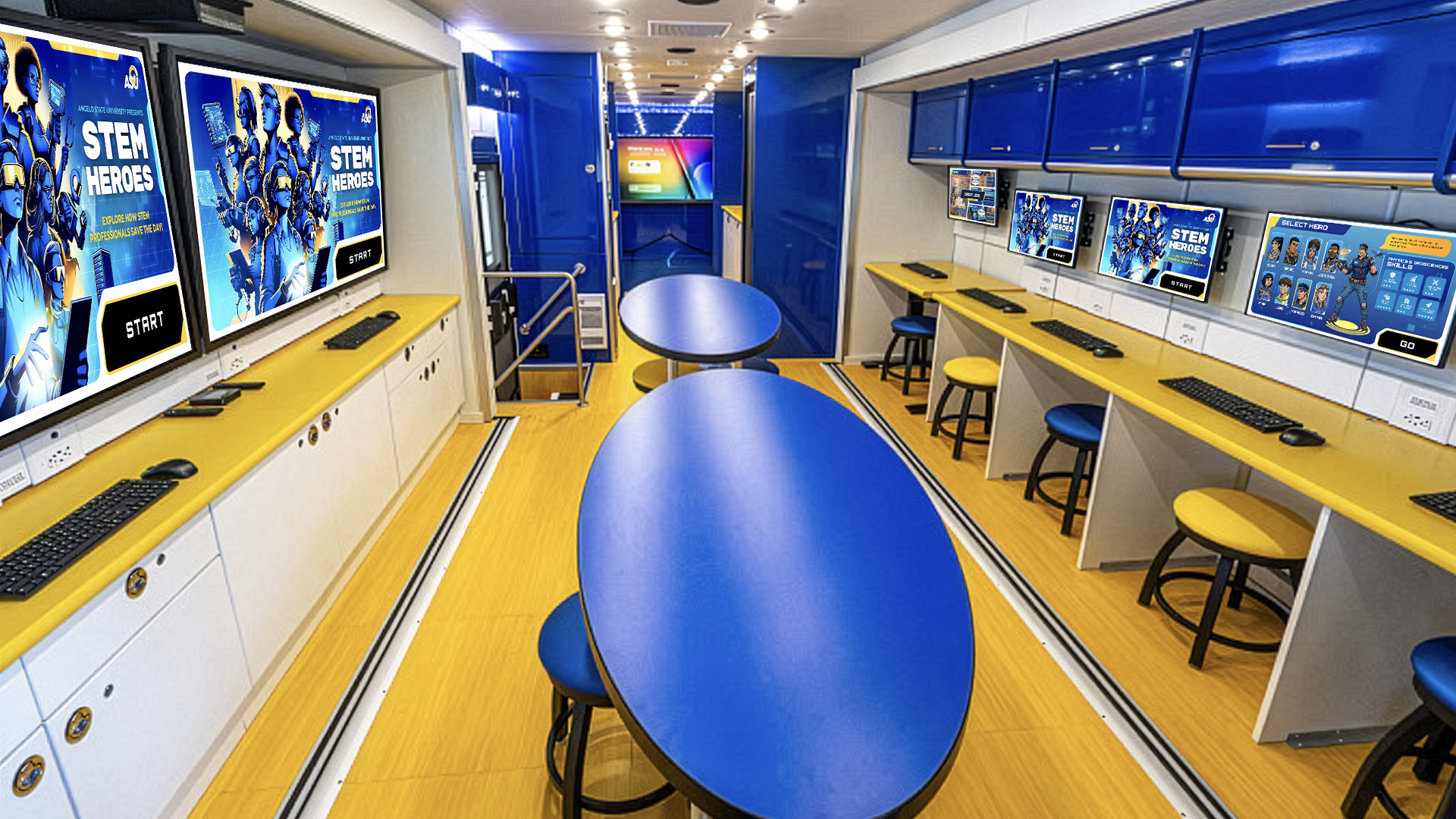
Instead of relying solely on campus tours, universities can reach students years before they begin applying to colleges. The experience becomes both an educational moment and an introduction to the institution behind it. ASU launched a VR experience built by Groove Jones that also serves as great content for news and PR.
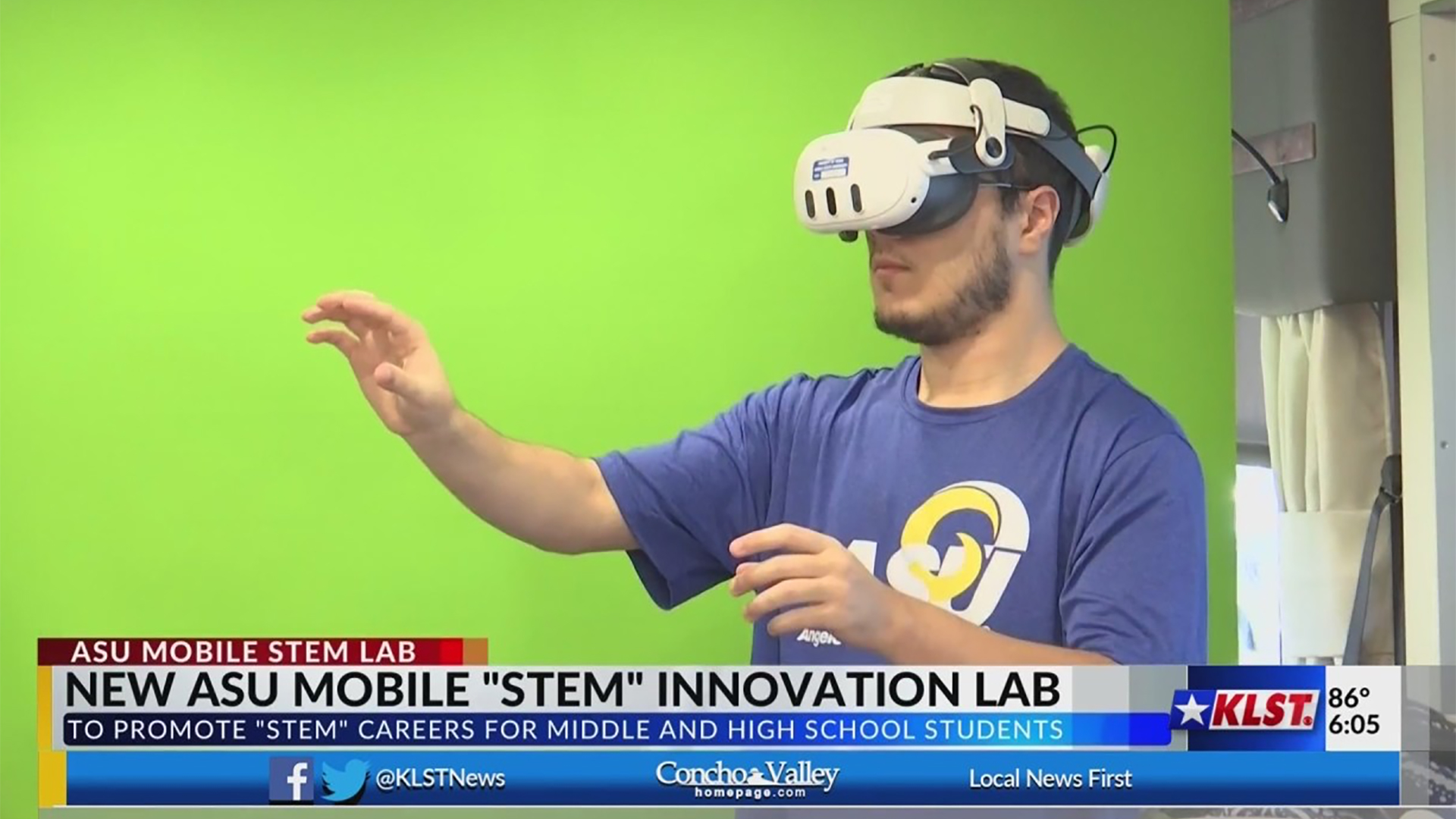
Mobile labs also give faculty and outreach teams a flexible platform for events, community engagement, and partnerships with local school districts.
Military Recruitment and Career Exploration
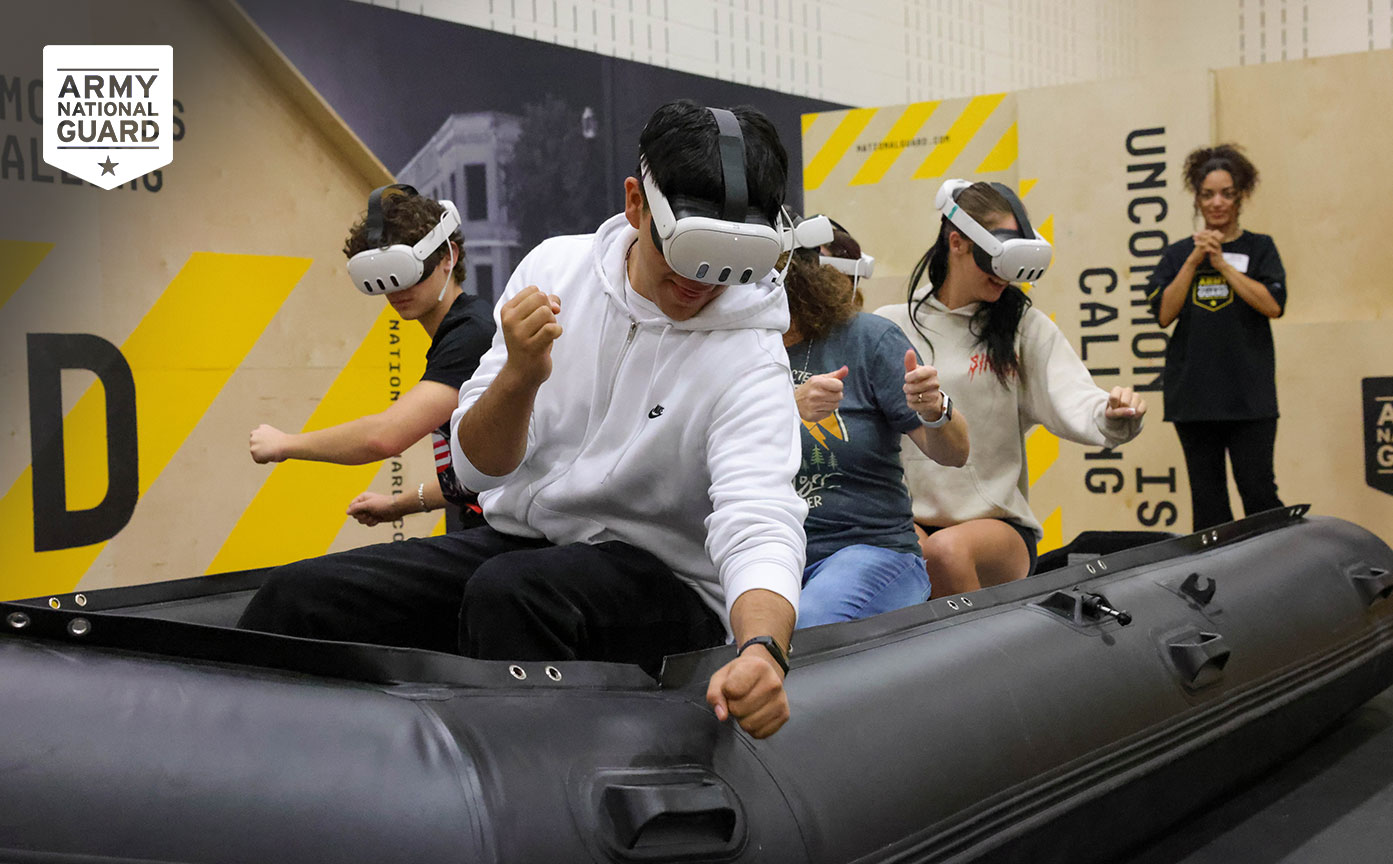
Mobile experiences are also playing an important role in modern military recruitment. Programs such as the Army National Guard’s disaster response simulation bring immersive experiences into high school gyms and community events. Through interactive storytelling and simulated scenarios, participants can explore the kinds of missions and skills involved in military service.
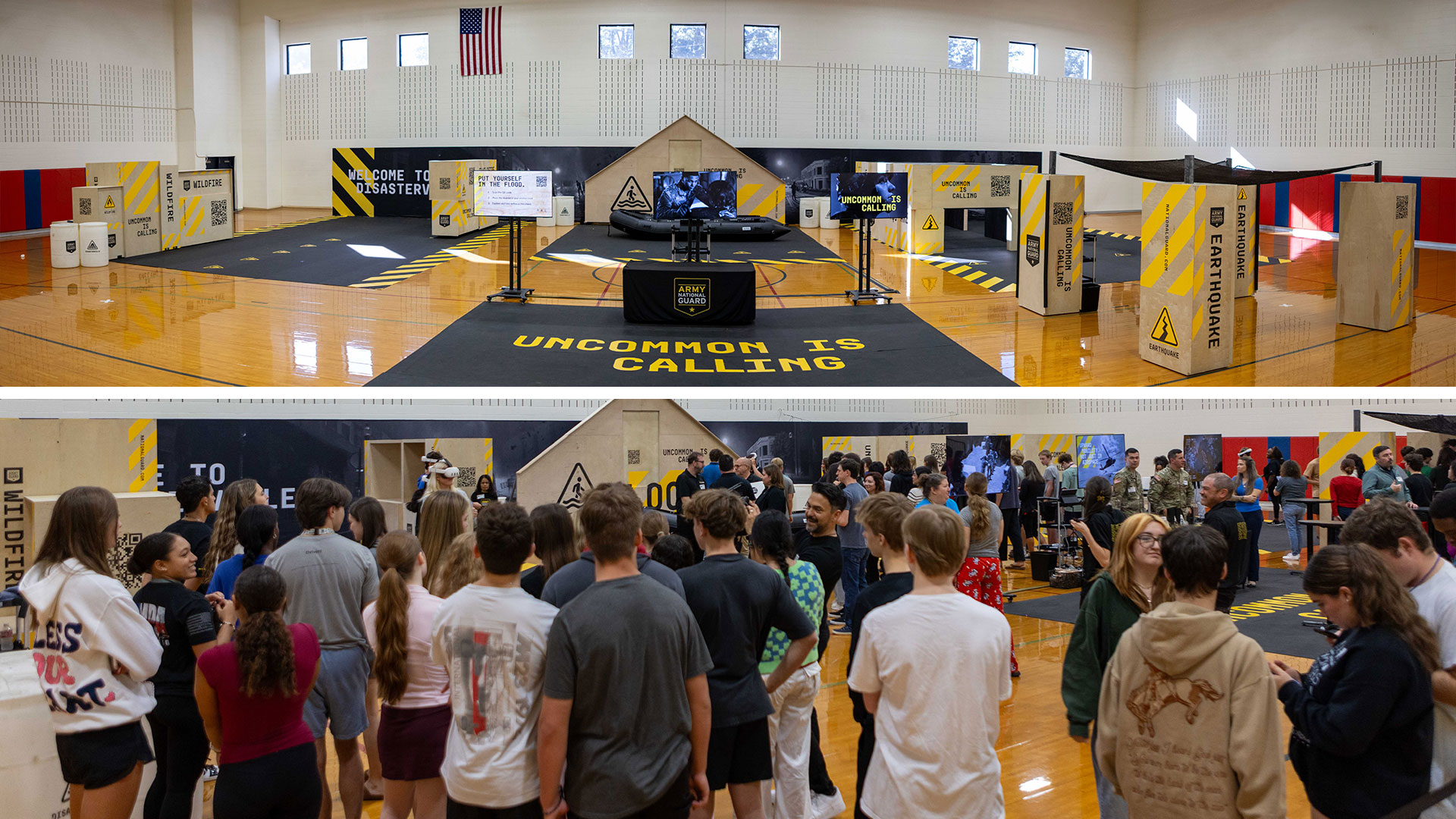
Rather than focusing only on traditional recruitment messaging, these experiences emphasize problem solving, teamwork, and the real world applications of technology and training.
Product Demos to Sales Partners
Rinnai America extended its outreach through a mobile tour that featured an immersive virtual reality installation experience developed by Groove Jones. The VR activation allowed contractors, installers, and industry professionals visiting the traveling trailer to step inside a simulated environment where they could learn how to install a Rinnai tankless water heater using motion tracked tools and guided interactions.

By bringing the experience directly to industry events and regional markets, the mobile tour transformed a complex product demonstration into a hands on learning moment that could reach audiences far beyond a traditional trade show booth, giving participants the confidence to understand the technology and installation process through direct interaction.

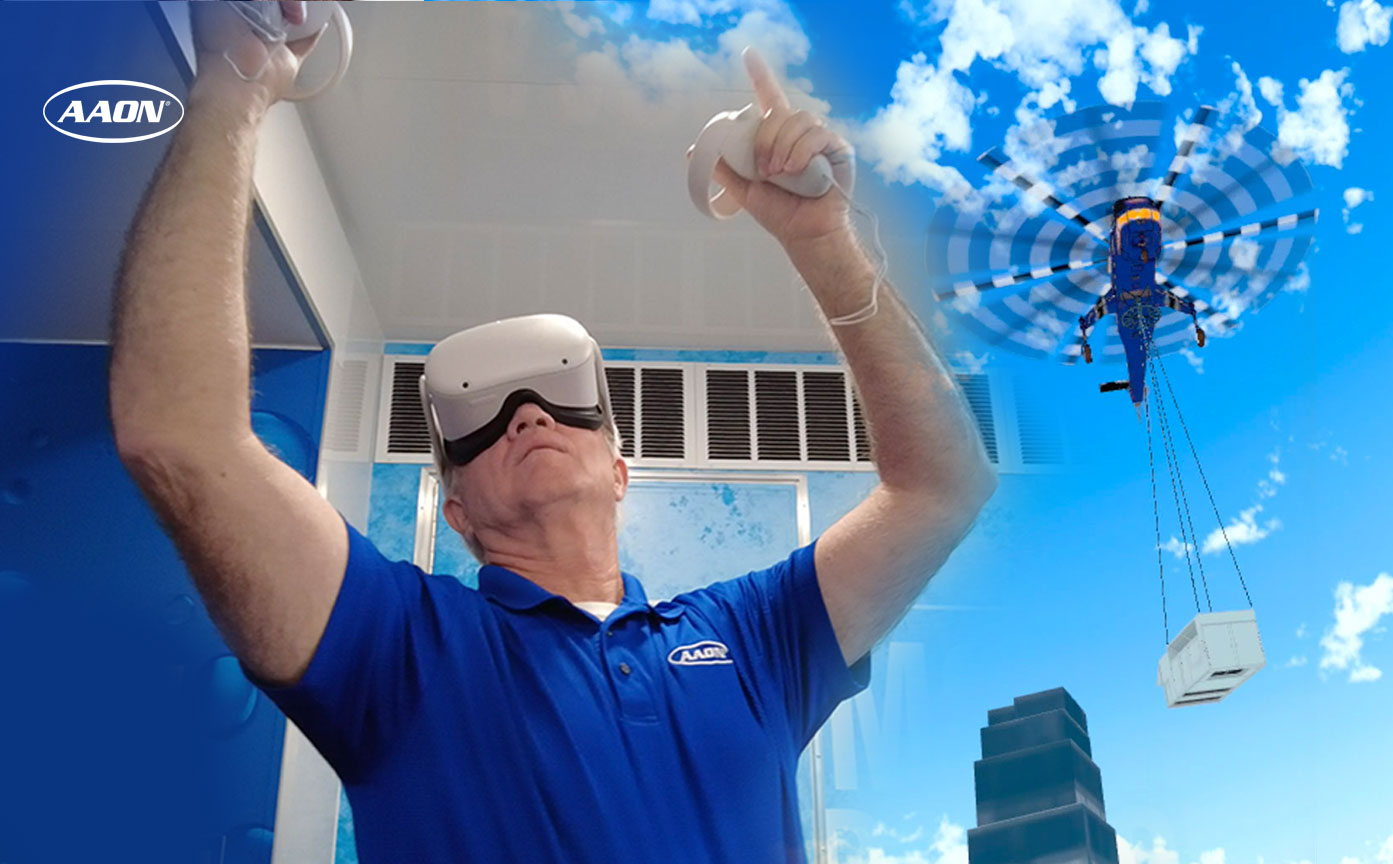
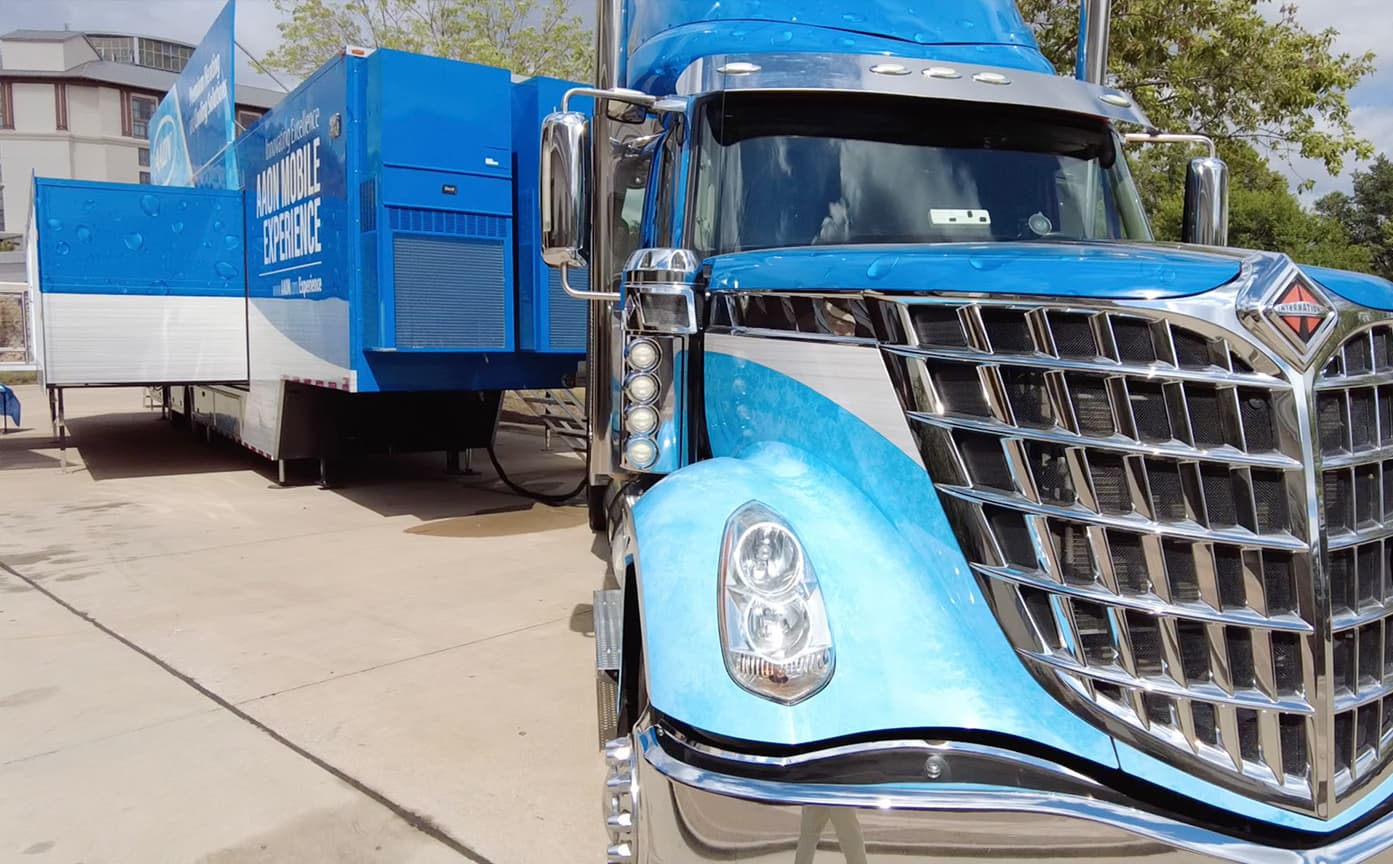
AAON partnered with Groove Jones to bring its technology and manufacturing story directly to customers through a national mobile tour built around a custom 53 foot expandable trailer. Inside the traveling experience, Groove Jones developed a suite of interactive tools including a massive multi user touchscreen wall and several immersive virtual reality experiences that allow visitors to explore AAON equipment, facilities, and engineering processes.

The interactive wall features detailed 3D visualizations of AAON’s Innovation Center and HVAC product catalog, while VR experiences transport participants into factory environments and rooftop installation scenarios that would normally only be accessible through an in person facility tour. By taking these immersive demonstrations on the road, the mobile tour enables AAON’s sales team to bring complex HVAC technology to life for contractors, engineers, and customers across the United States in a hands on and memorable format.
Why Mobile Tours Work
The reason mobile tours are so effective comes down to three key advantages.
- They go where the audience is – Mobile trailers travel to schools, fairs, sports events, and community gatherings. Instead of hoping people attend an event, the event arrives in their community.
- They create memorable experiences – Interactive technology transforms passive learning into active participation. Students remember the moment they piloted a simulator or solved a challenge inside a VR experience.
- They scale efficiently – A well designed mobile tour can visit hundreds of schools and events each year. Over time, a single tour can reach tens or hundreds of thousands of participants.

The Future of Mobile Experiences
Mobile tours are evolving quickly as new technologies become available. Augmented reality, artificial intelligence driven personalization, and mixed reality environments will soon make these experiences even more dynamic. Trailers are also becoming more sophisticated, with expandable walls, modular exhibits, and integrated digital infrastructure that allows experiences to update over time.
What began as simple outreach vehicles are becoming traveling innovation labs.
For organizations trying to connect with the next generation of students, workers, and recruits, the message is clear. Sometimes the most powerful way to reach people is not to invite them somewhere else.
It is to bring the experience directly to them.
Check Out Some Recent Mobile Tour Program Case Studies