



CES 2026 offered a thrilling glimpse into the future for new tech that will be applicable for experiential marketing. From AI that crafts content at the snap of a finger to immersive AR glasses blurring the line between digital and reality, this year’s innovations will empower brands to create more personalized, shareable, and awe-inspiring experiences. In this article, we highlight four key tech trends from CES 2026 – Generative AI, AI-Powered Personalization, Immersive AR/VR, and Computer Vision in Interactive Play – and how they can ignite visionary activations for brands. The goal: inspire you with what’s now possible and position our team as your innovation thought partner for 2026.
3D Holograms and AI Powered Avatars
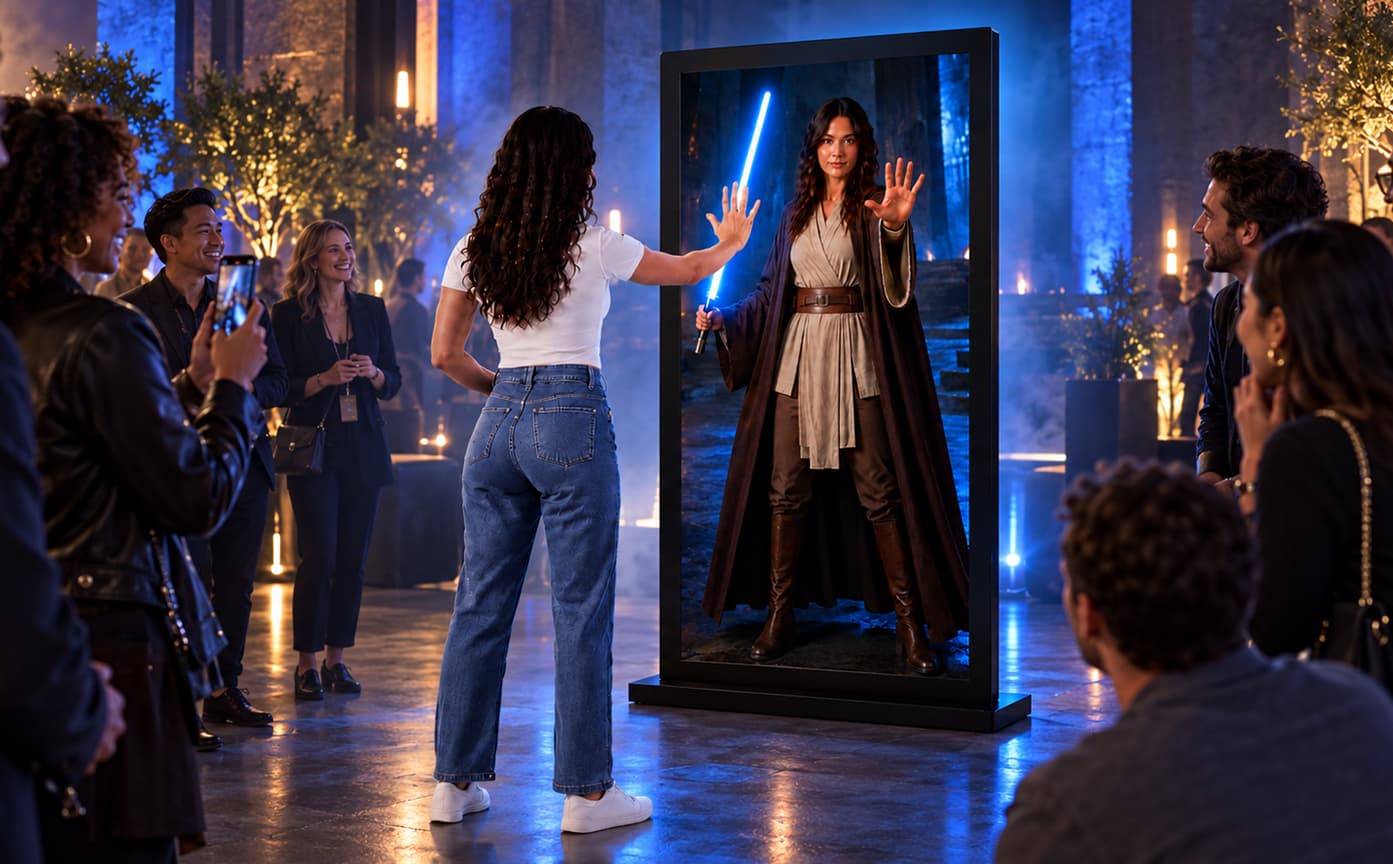
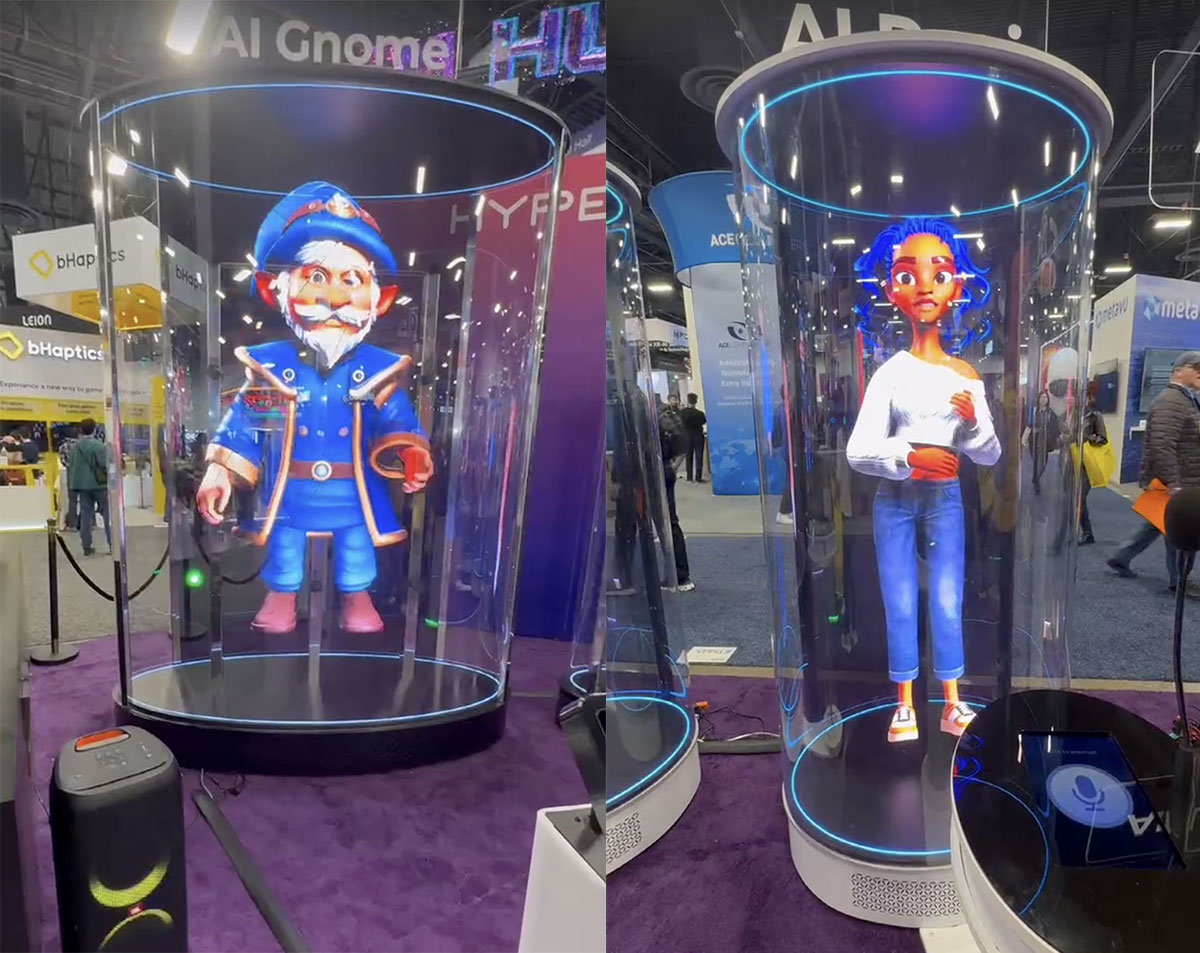
At CES 2026, holograms grabbed attention as more than just a sci-fi curiosity. One of the most talked-about demos was a 3D AI holographic concierge, which places a full size, responsive AI figure right in front of users with no headsets or phones required, letting people ask questions and receive guidance in real time – literally stepping into the space like a digital host in the room with you.
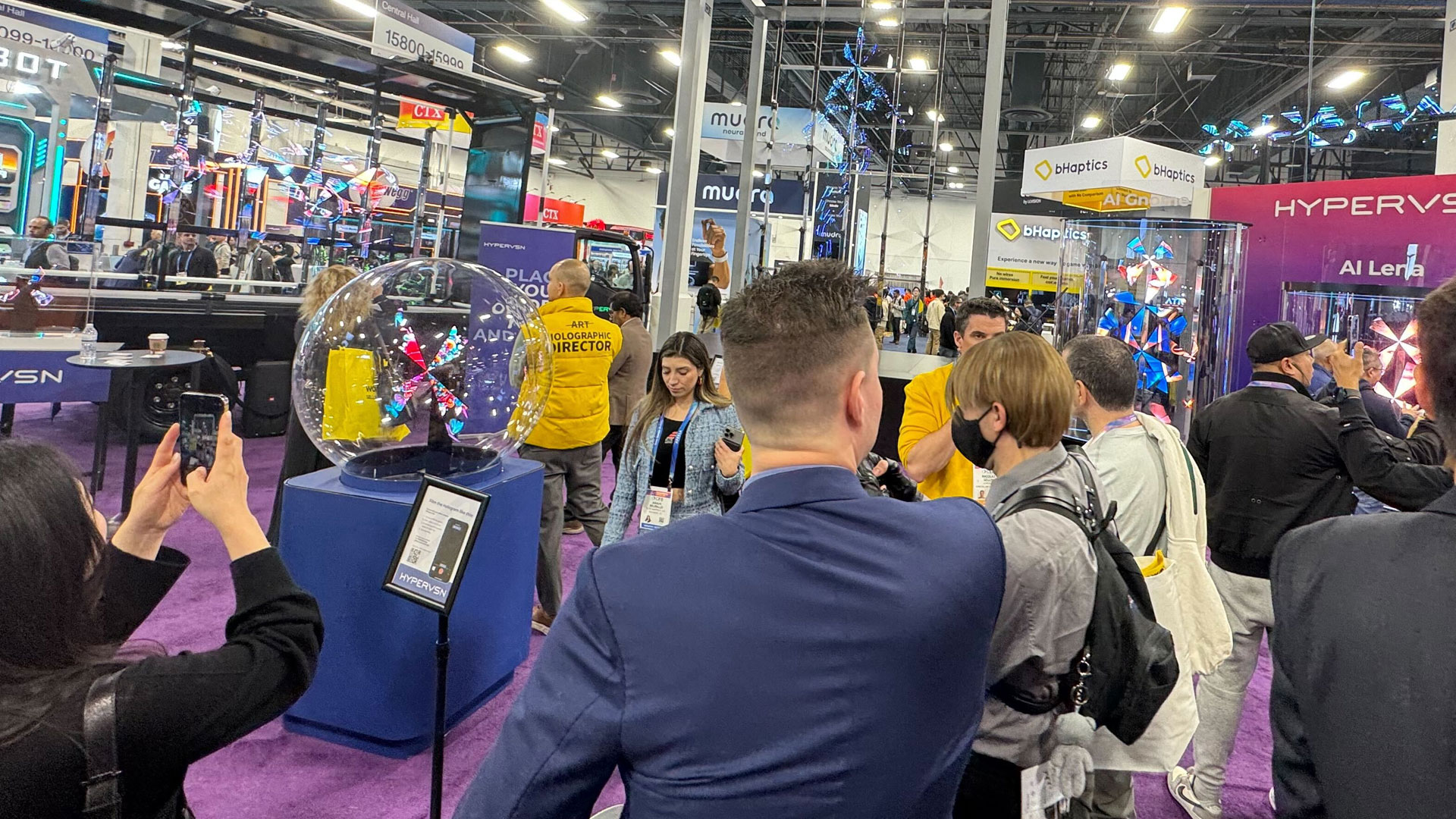
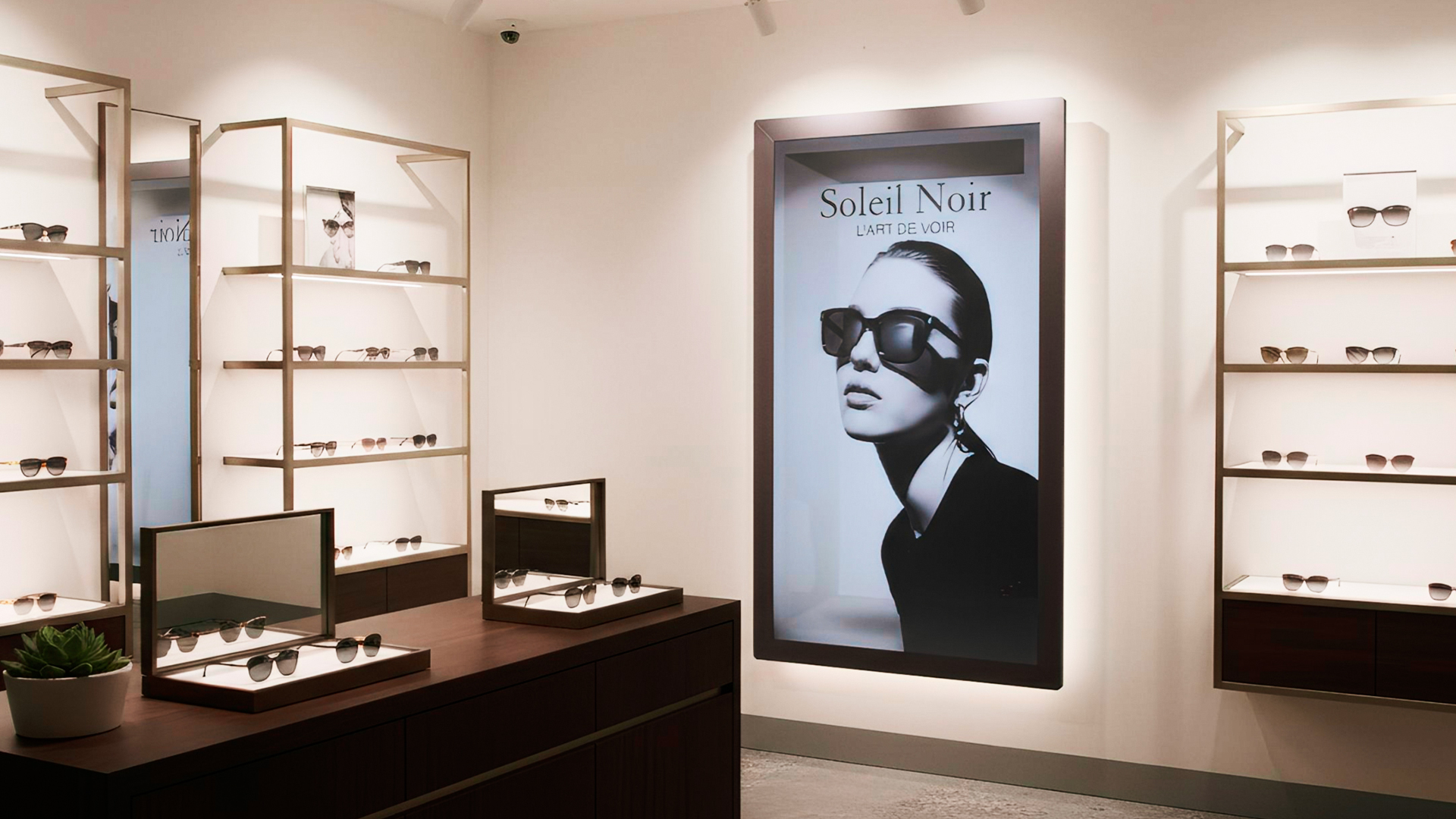
Beyond experiential AI interfaces, companies showcased towering human-size hologram arrays and walls that can bring branded visuals to life in physical settings without special glasses or gear, hinting at the future of immersive event activations and advertising. Looking Glass Hololuminescent™ Display (HLD) transforms ordinary wall displays into dimensional, holographic content. The 86″ is the world’s first razor-thin, human-scale holographic display purpose-built for digital signage.
Holographic or light field displays are still smallish, but display’s leveraging “Pepper’s Ghost” techniques and approaches look great and accomplish the holographic requests for today. These innovations underscore a broader shift toward holographic experiences that feel spatial, tangible, and interactive – a trend ripe for brands looking to surprise audiences with immersive storytelling and share-worthy moments in both physical and hybrid activations. Learn more about the work we are doing with holograms – https://www.groovejones.com/3d-holograms-holofans-holos-projections-peppers-ghost
Generative AI Creates Shareable Content
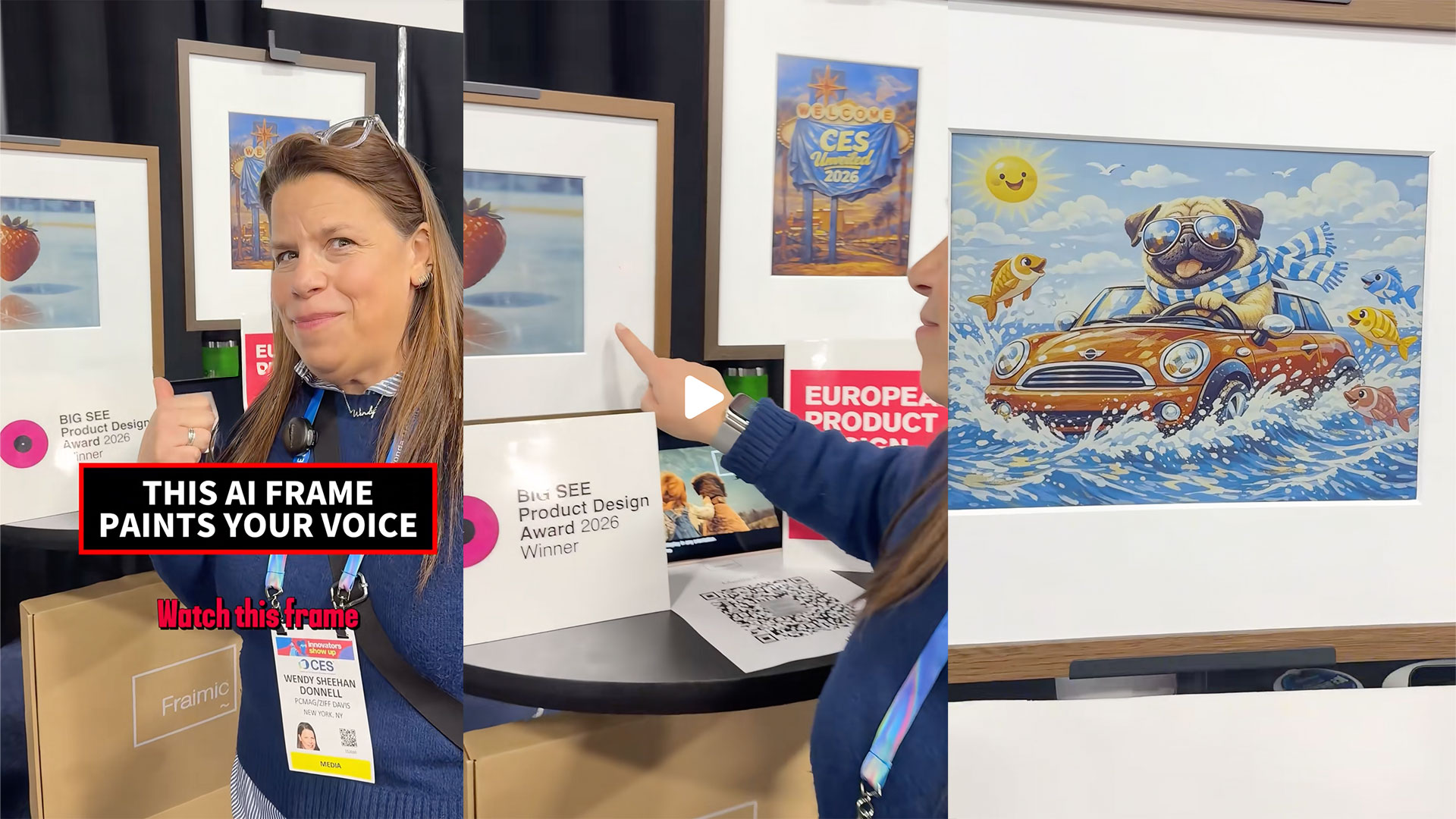
Imagine describing an idea to a device and instantly seeing it come to life as a vivid piece of content. Generative AI is making this a reality. At CES 2026, one standout was the Fraimic Smart Canvas, an AI-driven art frame that listens to your description and renders a custom image on an e-ink display – as naturally as if it were a real painting. No design skills required; you speak, and the artwork appears. It’s a prime example of how generative AI can fuel social-ready, shareable media in experiential activations. Brands could deploy similar AI kiosks or photo booths at events, letting attendees create one-of-a-kind art or video content on the fly – perfect for sharing on social media and extending the event’s reach.
Groove Jones has been pushing generative AI out of the lab and into real-world brand moments, turning emerging technology into something people actually want to play with and share. For Invesco QQQ, we superpowered culinary experiential activations at both the New York Food and Wine Festival, Atlanta Food & Wine, and the Chicago Gourmet event by using generative AI to put creativity directly into attendees’ hands. Visitors were invited to build their own original recipes, choosing companies in the Invesco ETF and the ingredients based on the companies to generate entree, snack, or dessert recipes that reflected their personal tastes.
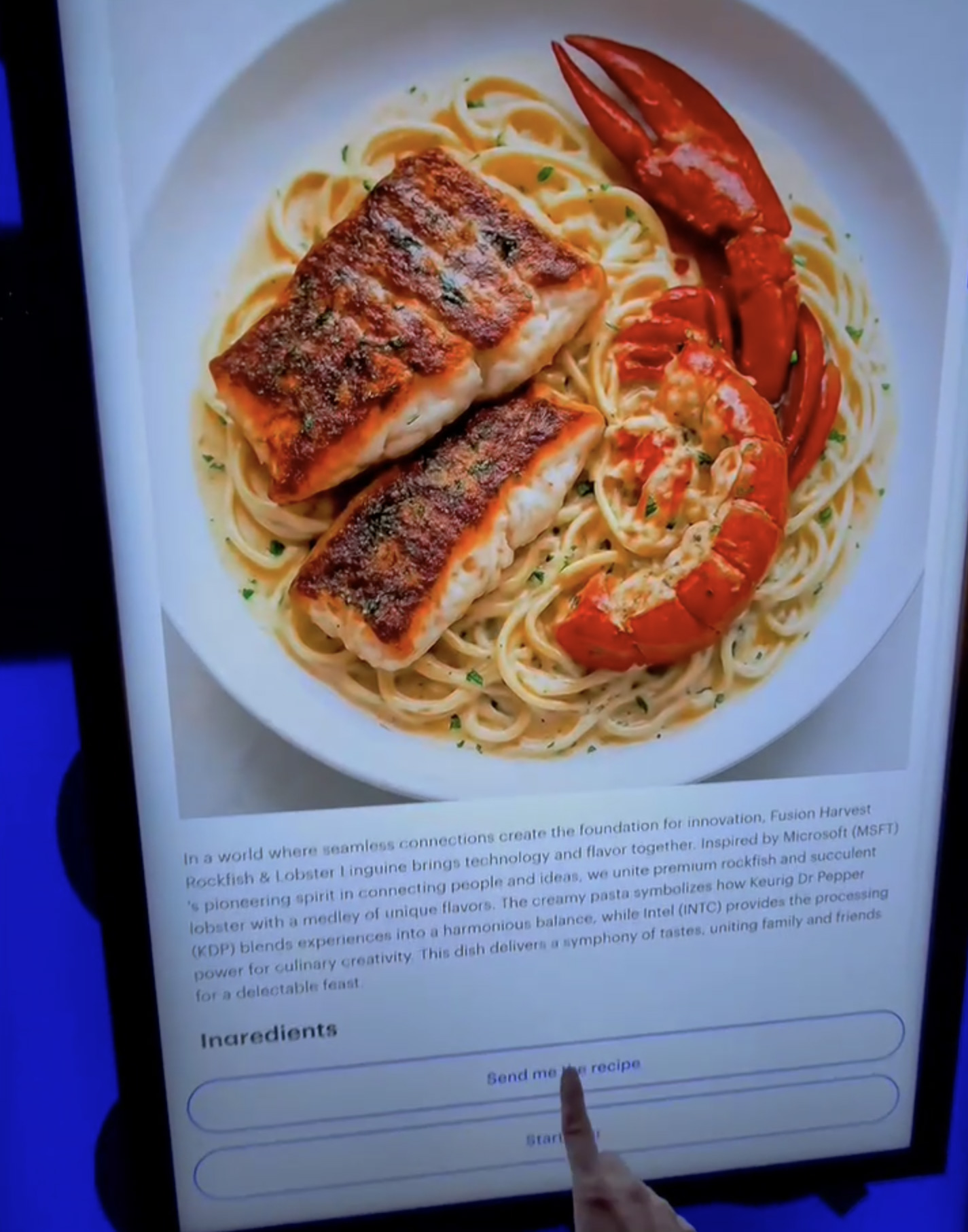
In real time, the experience used AI to not only generate a custom recipe and instructions for making it, but also beautiful, high-quality images of each custom dish, transforming abstract ideas into mouthwatering visuals that felt restaurant-ready.
 Guests walked away with a unique recipe concept and a striking image designed for instant social sharing. At the same time, Invesco QQQ benefited from deep engagement, longer dwell time, and organic amplification across social platforms. Link to case study – https://www.groovejones.com/ai-recipe-app-and-touch-screen-interactions-for-invesco-qqq-at-the-nycwff-event
We’ve been redefining the classic photo booth by transforming it into a generative AI-powered storytelling engine that creates moments people genuinely want to share. At events like Coachella, we partnered with SC Johnson and Method Products to bring the AI Aura Photo Experience to life, inviting festival attendees. Instead of a simple snapshot, guests received beautifully rendered, original imagery that reflected the energy of the moment and the personality of the individual.
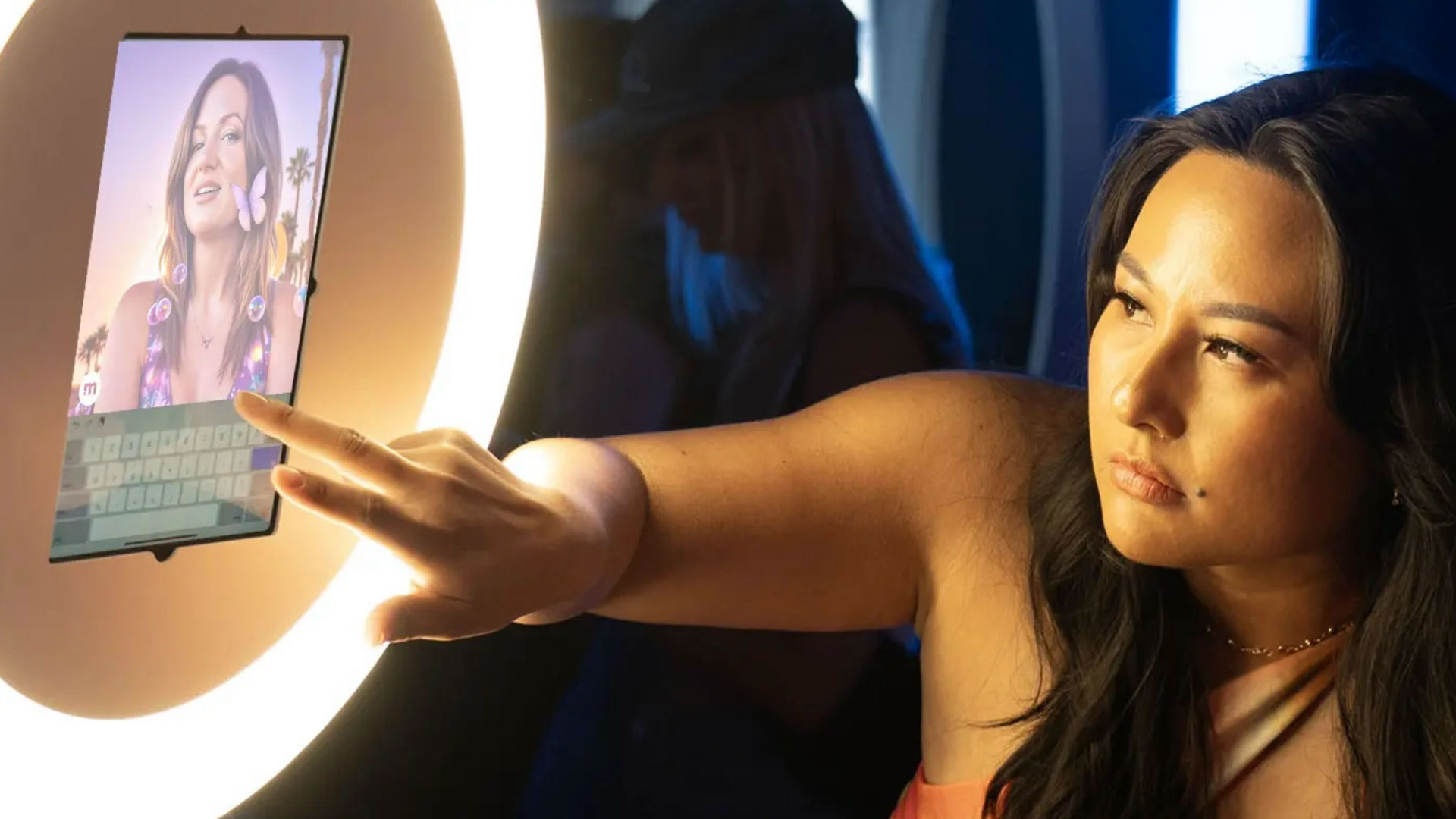
The result wasn’t just a photo or video; it was a custom piece of content people happily shared with their networks, expanding reach organically and reinforcing the brand’s connection to creativity and culture. Groove Jones’ generative AI photo booths do more than capture faces – they capture attention, spark delight, and turn experiential moments into social currency for the brand. Link to case study – https://www.groovejones.com/ai-aura-photo-experience-at-coachella

Real-World Props and Generative AI

We’ve also integrated this into photo and video experiences that allow guests to pose with objects. What this means for experiential marketing: Generative AI can turn participants into co-creators. Whether it’s an installation that generates a bespoke music track for each visitor or an AR filter that builds a unique animation around each person’s photo, AI gives our audiences a creative role. The payoff is twofold – a deeply personal experience for the individual and highly shareable media for the brand. In 2026, expect experiential activations to feature “creation stations” where AI art, videos, and stories are generated on-demand and immediately sharable, turning every attendee into an ambassador with content to post.
AI-Powered Personalization for Deeper Engagement
One of the most powerful themes from CES 2026 is that AI is getting personal. It’s not enough for gadgets to be innovative; they need to be attuned to you. Tech giants emphasized this in Vegas: Samsung’s keynote teased “AI-driven customer experiences” as a core focus for its device lineup, and LG even rebranded its AI as “affectionate intelligence” to stress an emotional connection with users. In practice, this means devices and services that adapt in real time to an individual’s behavior and preferences, delivering tailored interactions rather than one-size-fits-all.
Concrete examples abounded on the CES floor. Smart home company Ring unveiled an AI-powered “Unusual Event Alert” for its cameras that learns the regular activity around your home and pings you only when something out of the ordinary happens. By cutting out generic motion notifications, it delivers only the alerts that matter to you.

At the Invesco QQQ Final Four experience, Groove Jones took fan engagement to a new level by using AI to create personalized performance scorecards. In the game, we used computer vision to analyze a player’s performance and translated that data into a custom performance profile. By examining the ball’s flight path, our computer vision system calculated shooting arcs for every attempt. We also track the makes and misses, which were mapped onto a court graphic on the screen to generate a heat map of performance. The scorecard was then emailed to guest with their performance data can customized commentary by Candace Parker.
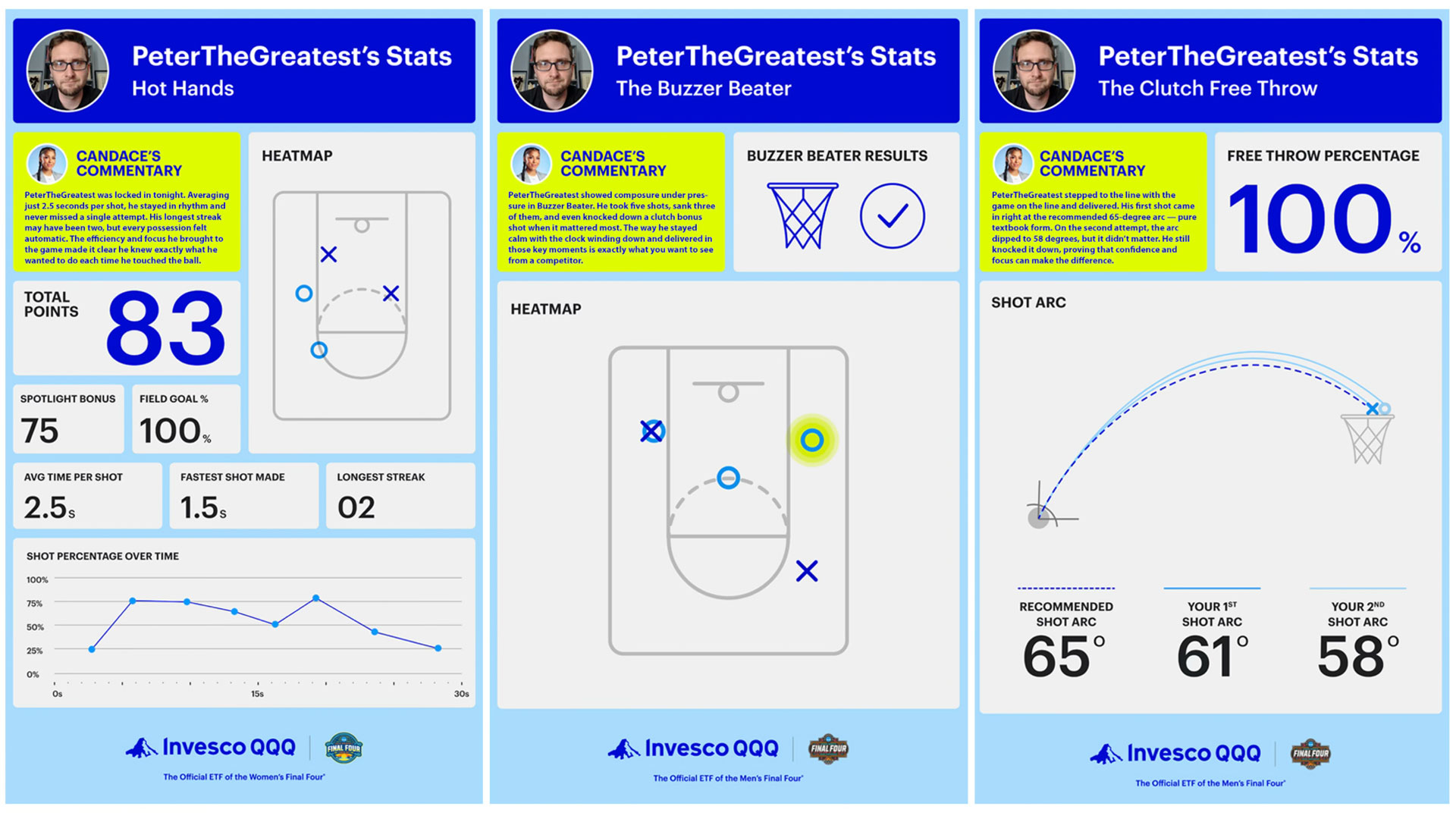
We also used AI to power the voice of the game announcer, who provided real-time performance commentary during play. By turning engagement into personalized storytelling, Groove Jones showed how AI can make every fan feel seen, valued, and excited to share their Final Four journey.
It’s worth noting that AI personalization isn’t only digital – it can have a physical presence too. CES highlighted advances in AI companions and robots that learn from their user. One adorable example was Ludens AI’s Cocomo, a desktop robot pet that reacts to your voice and touch and even follows you around, learning your habits over time. In short, personalization in 2026 goes beyond just inserting a customer’s name into an email. With AI, we can deliver situational personalization on the fly – experiences that recognize who’s present or what the context is and then adjust seamlessly. This level of attentiveness delights users and deepens engagement, because when technology treats you like a VIP, you’re more likely to remember it – and share it.
Immersive AR, MR, and VR: The New Reality
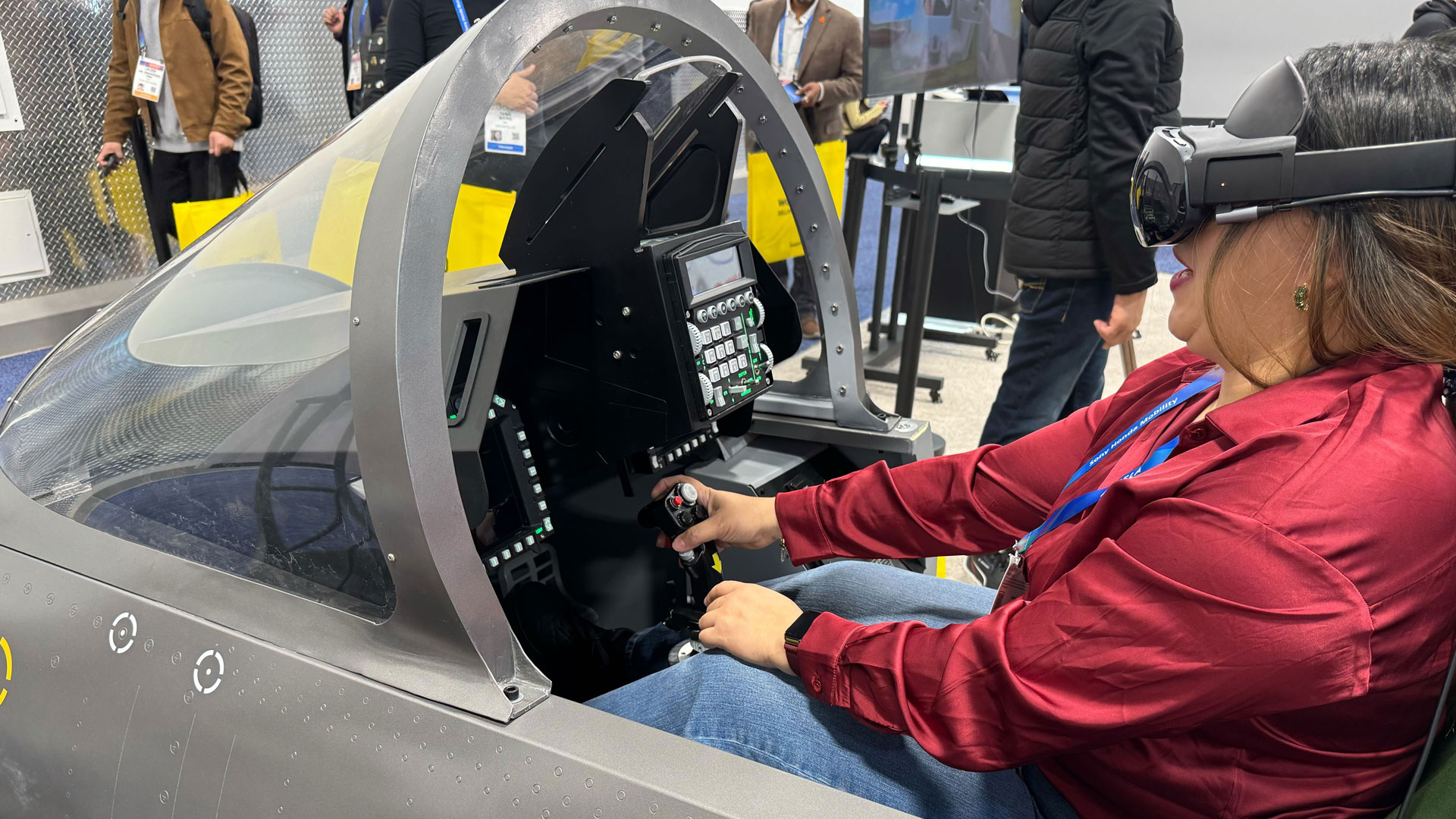
The line between the real and virtual worlds got even blurrier at CES 2026. Augmented Reality (AR), Mixed Reality (MR), and Virtual Reality (VR) tech has leapt ahead, opening exciting possibilities for brands to create immersive environments. One of the biggest signals: AR glasses are finally coming into their own. Year after year we’ve anticipated truly consumer-ready smart glasses, and 2026 might be the watershed moment. We’re seeing the convergence of AR and AI in sleek eyewear – waveguide displays for clarity, on-board AI assistants, advanced sensors, and even Android XR as a new platform all coming together . In other words, the pieces are in place for glasses that can overlay digital info on the world around you and respond intelligently, without feeling like heavy tech on your face.
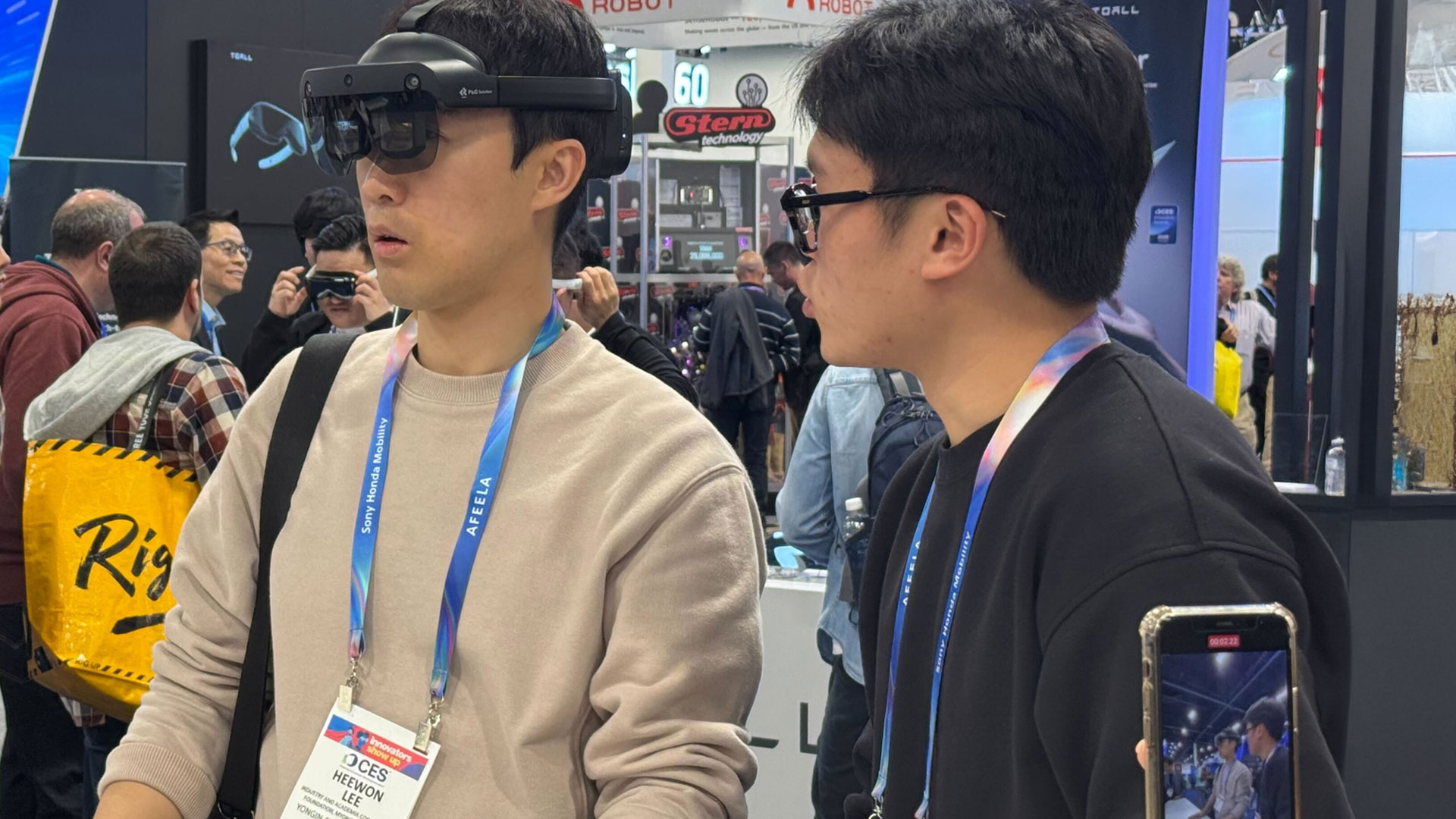
On the CES floor, next-gen AR headsets stole the spotlight. Asus and Xreal unveiled the ROG Xreal R1 AR glasses, which reviewers are already calling the best AR specs for gaming thanks to their technical prowess . Consider this: a 240Hz refresh rate (buttery smooth visuals) and a wide 57° field of view, all in a wearable form factor . That means no more bulky helmets – these look like regular sunglasses but let you play a console game on what feels like a 100-inch screen floating in front of you.
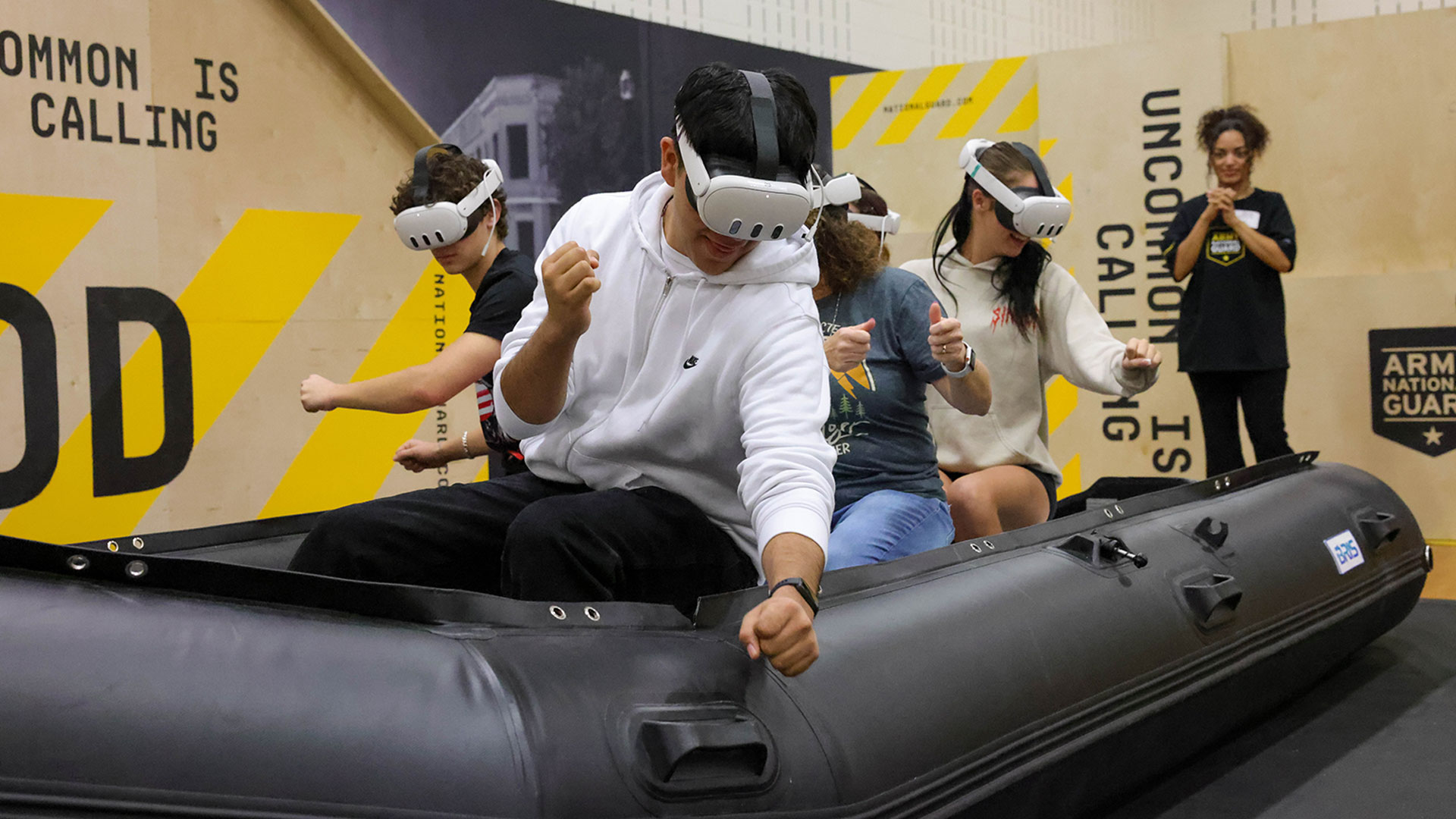
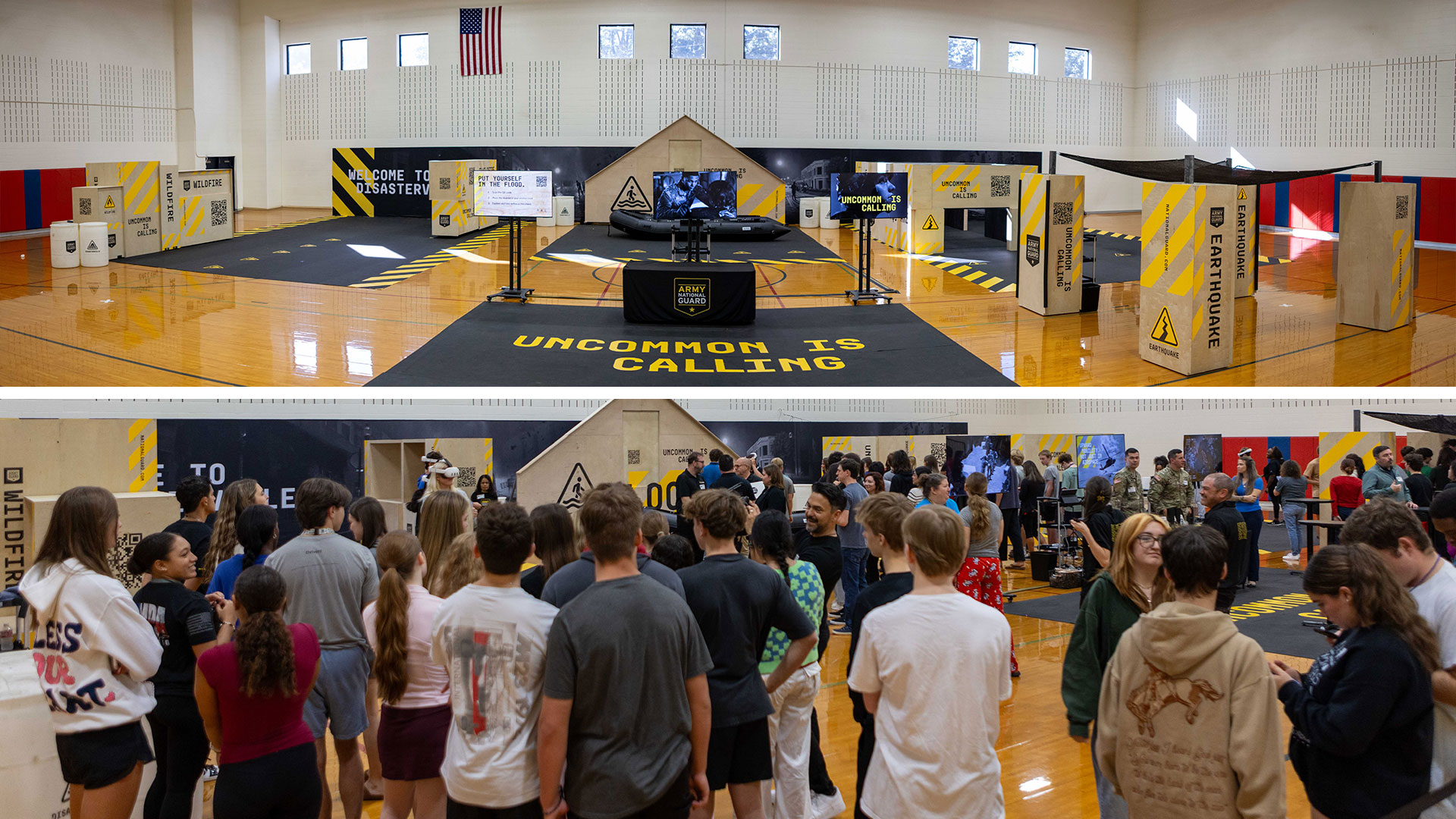
Groove Jones has been pushing the boundaries of what immersive technology can do for multi-user engagement, and our work with the US National Guard last month is a perfect example of how mixed reality can scale without sacrificing impact. For Disasterville, we designed a fully interactive mixed reality experience with The Marketing Arm, that let participants step into a dynamic simulation together, learning real-world skills in a virtual environment that felt visceral and alive.
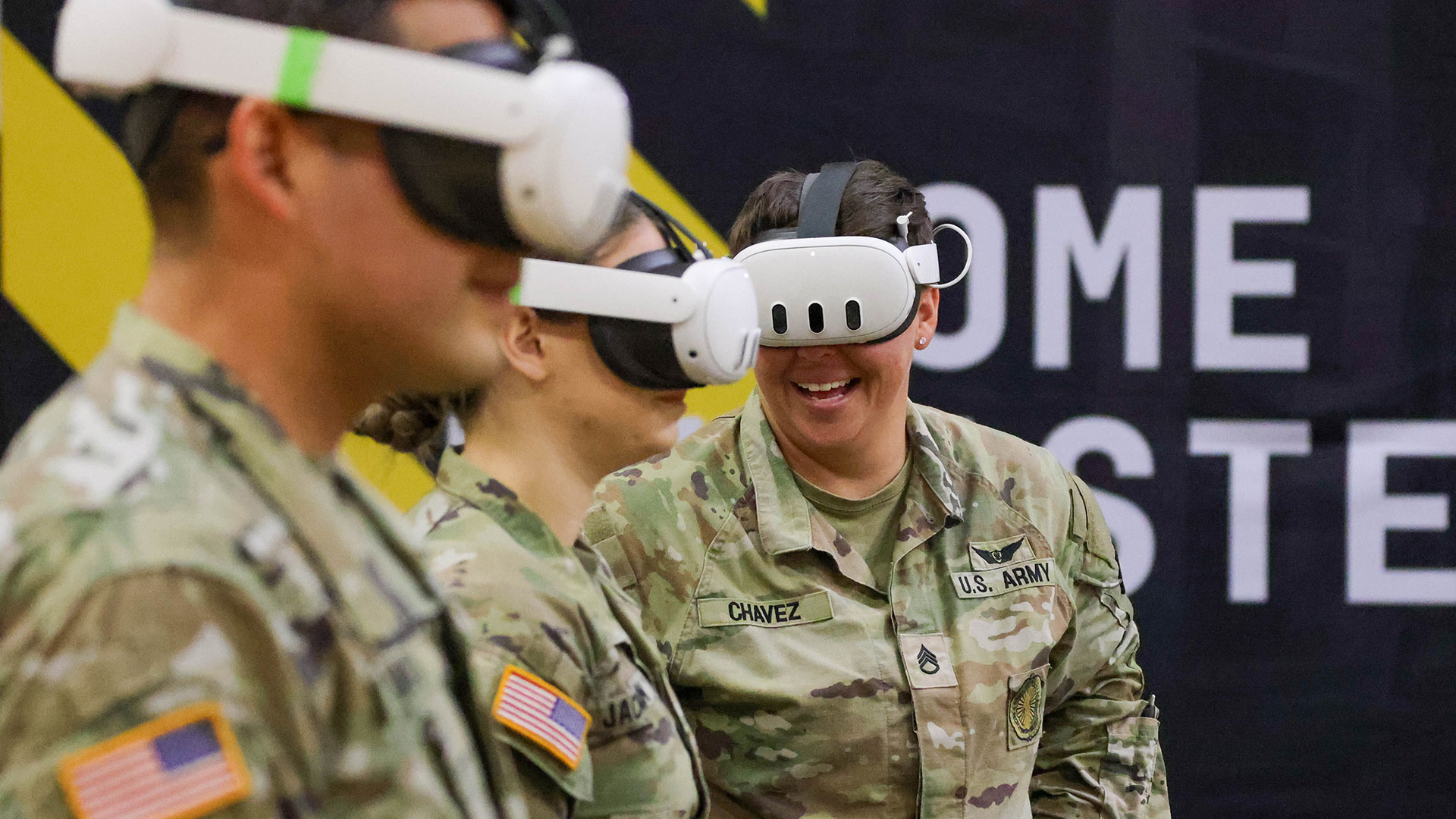
What sets this work apart is not only the quality of the experience, but the operational efficiency we engineered: we can install the entire system in two to three hours and serve hundreds of participants daily, seamlessly cycling groups through shared VR and mixed reality scenarios. This shows brands that immersive tech does not have to be slow, clunky, or limited to small audiences. Whether the goal is education, training, or pure engagement, our approach proves that VR and mixed reality can support high throughput activations that are logistically smooth and deeply memorable, turning complex technology into accessible, social, and scalable experiences for any audience. Full case study is here – https://www.groovejones.com/disasterville-mixed-reality-experience-army-national-guard
For experiential marketing, these AR/VR advances are a playground of opportunity. We can now realistically design an event where guests put on a pair of glasses and step into a blended reality game, scavenger hunt or product demo. Augmented Reality activations could let a user point their gaze at a product on a shelf and instantly see floating reviews or how-to videos tailored to that item. Or imagine an AR-powered exhibit where passing visitors see personalized welcome messages or digital characters popping up in front of them (visible through the glasses) guiding them through a story.
Computer Vision and Interactive Play
The final trend ties everything together: our devices and environments are gaining eyes and intelligence, allowing for truly interactive play. Advances in computer vision (CV) – AI’s ability to interpret visual information – were everywhere at CES. Cameras aren’t just recording anymore; they’re understanding. As Wired quipped in their CES outlook, so many products now have built-in smarts to “listen, see, and understand what’s happening” around them that simply saying a gadget has AI isn’t novel . It’s how you use that vision that counts.
One charming example of vision-enabled play came from an unexpected quarter: LEGO. In its first-ever CES appearance, the Lego Group announced Smart Bricks – yes, the classic bricks are getting techy. Each Smart Brick contains a tiny chip and sensors to detect its orientation and proximity to other bricks. Stack them in certain ways, and they trigger sounds or actions via a local wireless network dubbed “BrickNet.” Essentially, the physical Lego creation you build can respond contextually: build a spaceship and it might play rocket noises; rearrange the same bricks into a car and you get engine vrooms. This blending of physical and digital play is a perfect blueprint for experiential activations. It’s easy to imagine an in-store experience where assembling a product or scanning different items causes interactive responses – much like Smart Bricks, the environment could recognize what a customer is engaging with and trigger content or feedback accordingly. The key is spatial awareness: technology knowing where it is and what’s around it.
Another fun showcase was Takway’s Sweekar, a modern spin on the Tamagotchi. Sweekar is a palm-sized virtual pet with AI smarts – it remembers how you interact with it, and once it “grows up,” it goes on virtual adventures and then returns to tell you stories about what it did . While Sweekar itself might just be a cute toy, it represents how AI and sensors can create the illusion of life and narrative. In an experiential context, think about installations or games where the user’s actions persist and influence later outcomes.
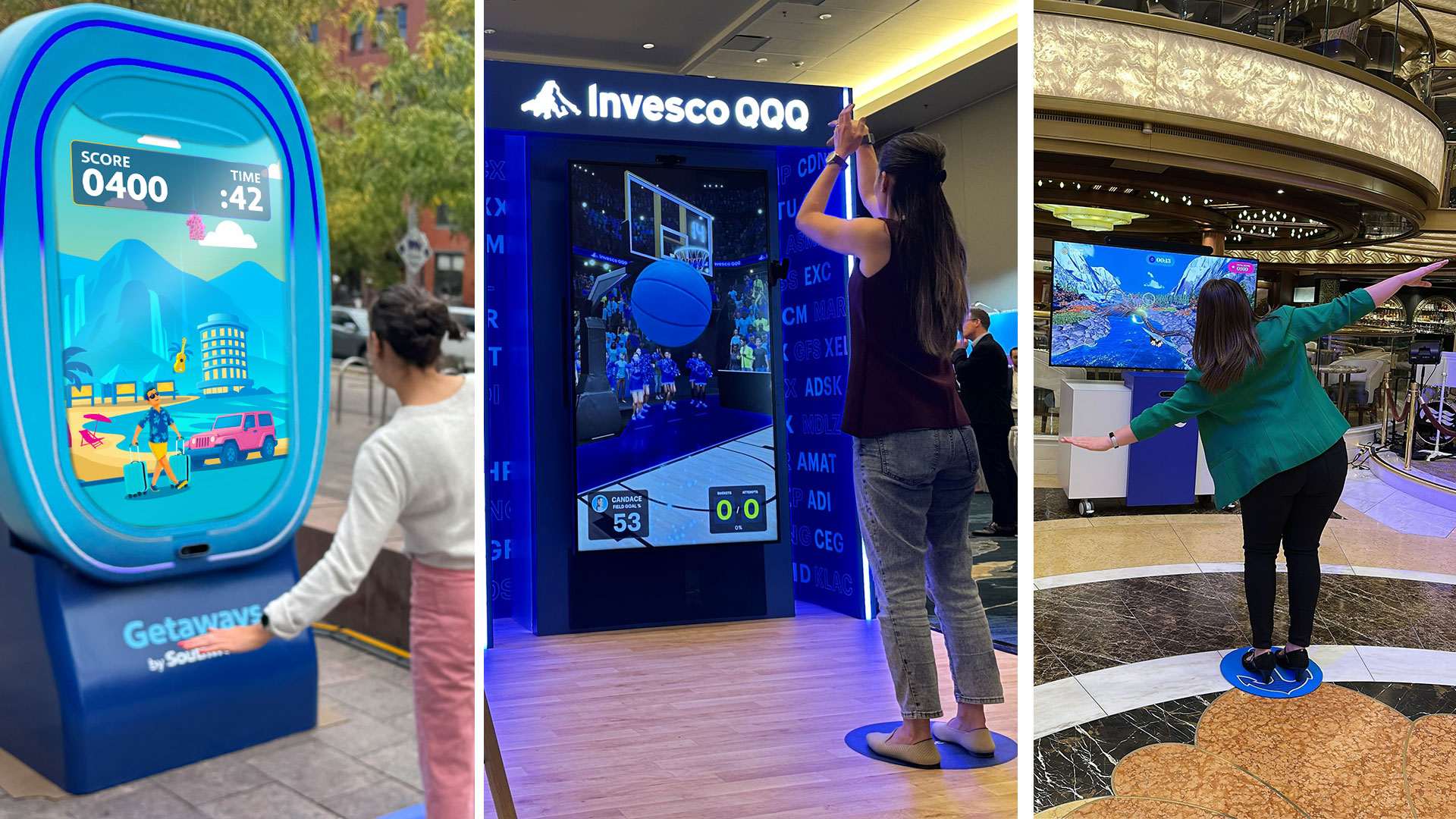
Groove Jones has been leveraging computer vision to transform simple spaces into highly interactive brand moments that feel effortless to deploy and fun to play. Across activations like the Southwest Airlines Getaway Vacations popup game https://www.groovejones.com/southwest-airlines-getaway-vacations-activation-computer-vision-powered-game, the Invesco QQQ’s Beat the Best basketball challenge https://www.groovejones.com/innovation-arena-beat-the-best-basketball-b2b-conference-experience, and the Princess Cruises Eagle Quest Alaska game https://www.groovejones.com/princess-cruises-eagle-quest-alaska-game, we used vision-powered systems that read movement, gestures, and spatial context in real time to create immersive play without the need for bulky hardware, elaborate backdrops, or expansive footprints.
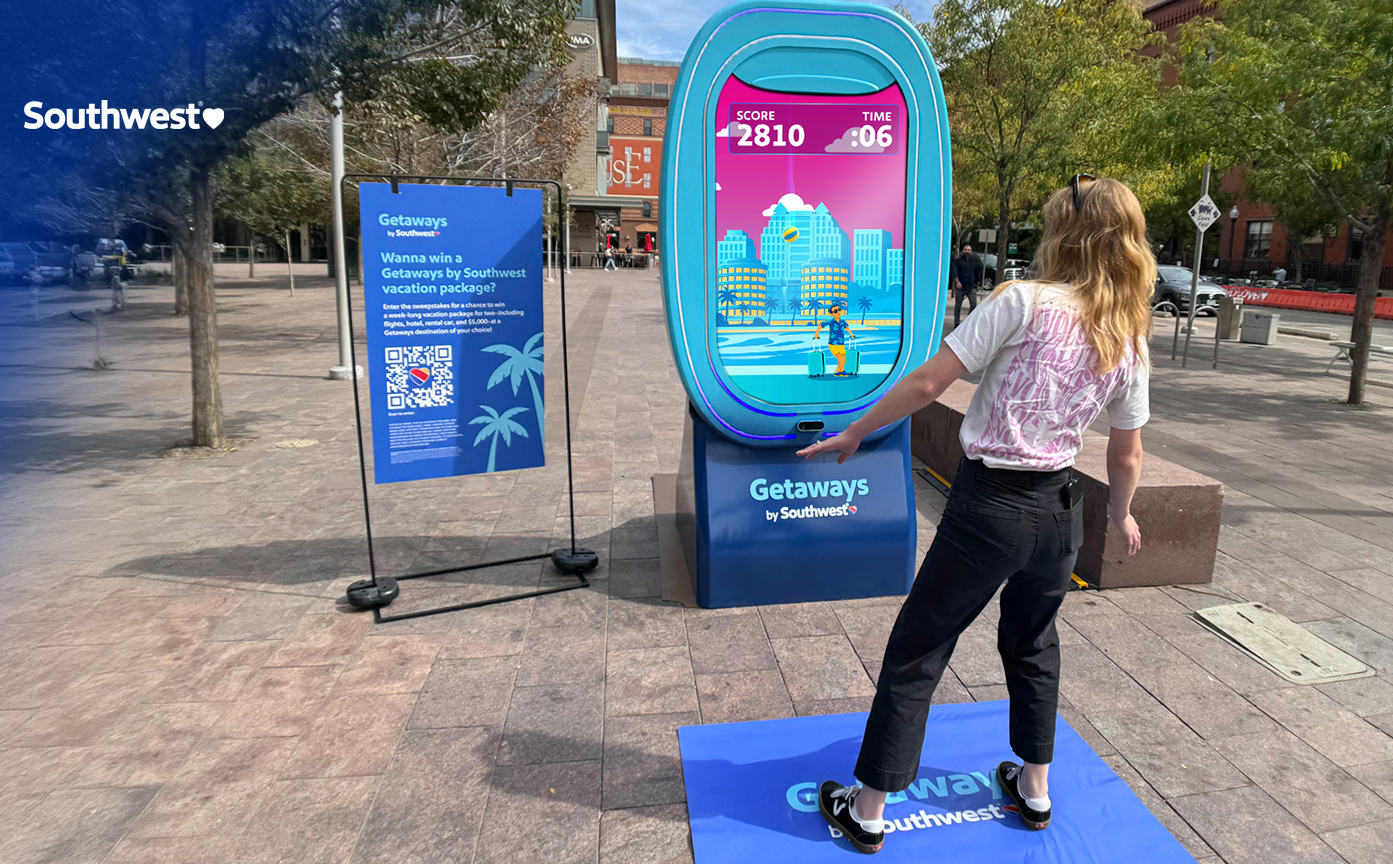
What makes these experiences so powerful for brands is their operational simplicity: each activation can be set up in a matter of minutes, requires only a small area of five to eight feet, and works seamlessly both indoors and outdoors under a wide range of lighting conditions. In the Southwest Airlines activation, participants engaged with a computer vision game that responded to their motions as they “flew” through vacation challenges, while at the Invesco QQQ experience fans competed in a basketball-themed interaction that tracked their movements and rewarded performance with instant visual feedback. For Princess Cruises, computer vision enabled a nature-themed game where players interacted with virtual wildlife and scored points by moving naturally within the space.

These installations didn’t need traditional staging, green screens, or physical props; the technology simply saw players and reacted, creating intuitive interactions that felt magical and modern. By harnessing compact, vision-driven activations, Groove Jones helps brands deliver engaging, scalable, and share-worthy play moments in practically any environment with minimal setup and maximum impact.
In summary, computer vision and AI are turning the world into a responsive playground. For marketers and experience designers, this is an invitation to be creative: we can build installations that see and react to participants, crafting the feeling of a two-way interaction rather than a one-way broadcast. As devices get smarter, expect everything from storefront windows to event stages to have some level of vision intelligence – recognizing faces (with privacy in mind, of course), gestures, or objects – to trigger the next beat in the experience. It makes technology more immersive and fun, because when the environment plays back, it creates a dialog with your audience. And that playful, engaging dialog is exactly what experiential marketing strives for.
Inspiring the Next Generation of Brand Experiences
The tech trends of CES 2026 paint a clear picture: experiences are becoming richer, smarter, and more personal. Generative AI lets us co-create content with our audience, ensuring everyone walks away with something unique (and shareable). AI personalization means experiences can adapt to each person in real time, making customers feel truly seen and valued. AR and VR innovations are tearing down the walls between imagination and reality, enabling us to build worlds and stories that consumers can step directly into. And with computer vision and interactive tech, those worlds will respond to users in ways that feel magical and intuitive.
For brands and agencies aiming to lead rather than follow, these aren’t just tech buzzwords – they’re the building blocks of the wow moments and meaningful engagements we’ll deliver in 2026 and beyond. We can draw inspiration from AI-powered campaigns and the cutting-edge gadgets we saw at CES, but the real power lies in how we integrate these innovations into storytelling. The goal is not to use technology for technology’s sake, but to use it to craft experiences that resonate on a human level, to surprise, delight, and form a lasting connection between audience and brand.
Our team is excited by these possibilities. We’re already brainstorming how generative AI can power the next viral campaign, how AR can add a layer of wonder to retail displays, and how AI-driven personalization can turn a standard event into a bespoke journey for each attendee. As an agency, embracing these trends positions us – and by extension, our clients – as true thought leaders. We can confidently say to our partners, “We’ve seen the future of experiential tech, and here’s how we’ll leverage it for you.”
In a world where “everything is AI” and every device is smart, the winners will be those who craft the best user experiences out of that intelligence. It’s not just about having the tech, it’s about the creative application. By focusing on inspiring, human-centered uses of AI and immersive media, we ensure that our activations aren’t just high-tech demos, but meaningful brand moments.
So let’s take these CES 2026 insights and run with them. Let’s experiment and pilot new ideas. The beauty of experiential marketing is that it’s always evolving – and right now, technology is giving it an evolutionary leap. The brands that dare to play in this space, with AI and AR and all these tools, will capture the imagination of a generation. We’re here to make sure our clients are among them, turning cutting-edge tech into unforgettable experiences and solidifying their reputation as innovators in the eyes of their audience. Here’s to a visionary 2026, filled with activations that make people say “wow” and post about it too.